
提示詞工程
20 個精選 Midjourney 提示詞:從史詩奇幻到賽博風格
Midjourney AI Team · 2026年7月23日 · 12 分鐘閱讀
關鍵詞: Midjourney 提示詞、AI 繪圖教學、MidassAI Studio、參數設定、生成式 AI 工作流程
發布日期: 2026年7月23日 作者: Midjourney AI Team
本指南適用對象
本合集專為數位藝術家、概念設計師及內容創作者打造,提供生成式工作流程所需的可靠起點。如果您厭倦了猜測參數或苦於光影不一致,這 20 個提示詞能提供結構化的基礎。我們專注於使用 Midjourney 版本 7 標準的實用語法,確保與當前模型行為相容。無論您是為遊戲建立資產、創作社群媒體視覺圖,還是實驗風格轉移,這些範例都能 bridging 抽象概念與可執行指令之間的差距。
史詩奇幻與極簡圖形
高等奇幻需要宏大的規模,而極簡圖形則需要克制。關鍵差異在於紋理密度與光影複雜度。對於奇幻風格,我們使用描述性形容詞推動模型朝向細緻細節。對於極簡主義,我們透過指定平塗色彩或矢量風格來減少噪點。
- 史詩城堡: 使用以下提示詞:
/imagine prompt: ancient castle on floating island, volumetric fog, golden hour lighting, intricate stone carvings --ar 16:9 --v 7 --style raw - 極簡山峰: 使用以下提示詞:
/imagine prompt: single mountain peak, flat vector illustration, pastel colors, white background, no shadows --ar 4:5 --v 7 - 奇幻戰士: 使用以下提示詞:
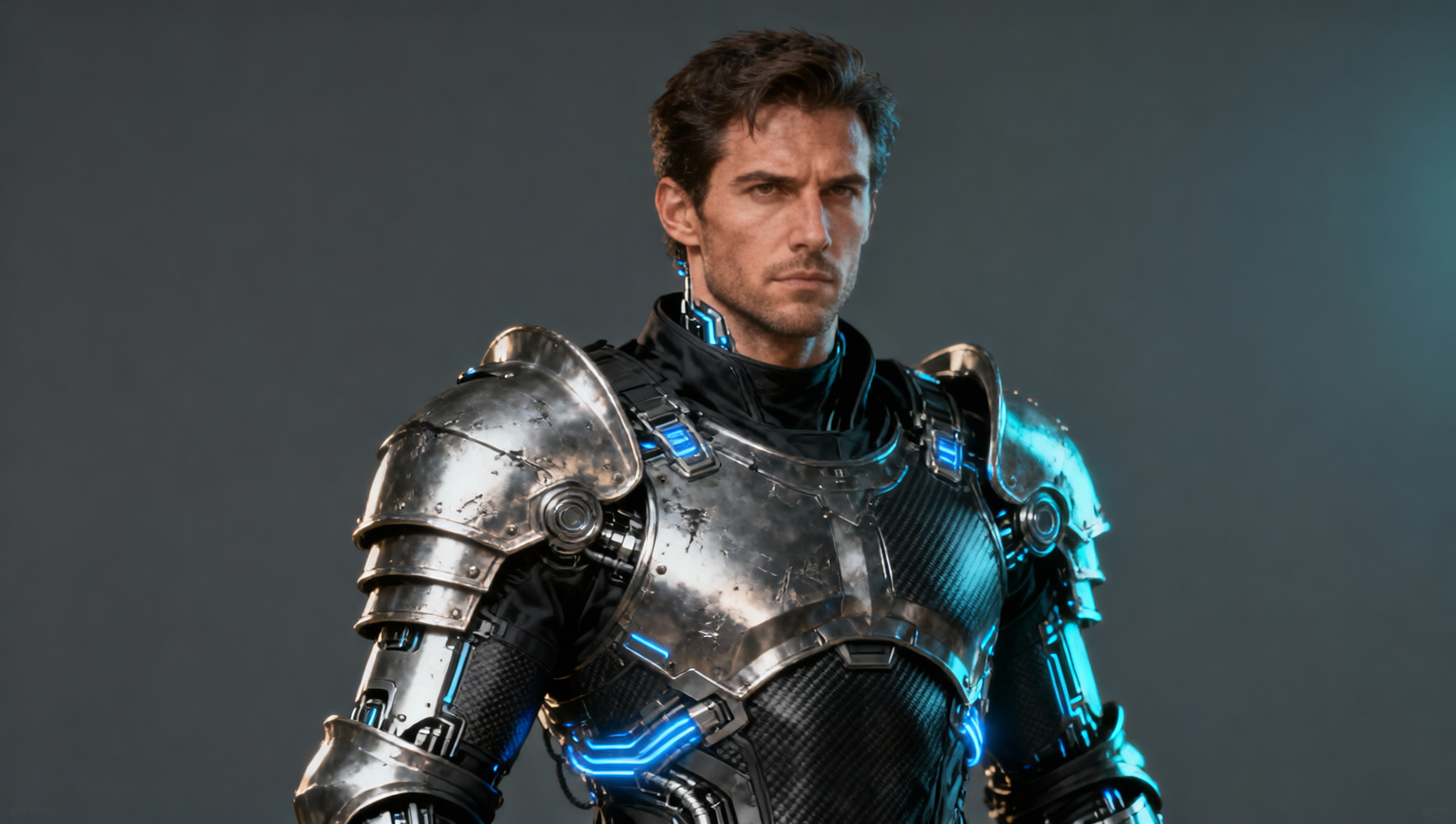
/imagine prompt: armored knight standing in rain, neon rune glowing on sword, cinematic depth of field --ar 3:4 --v 7 --s 250 - 極簡 Logo: 使用以下提示詞:
/imagine prompt: geometric fox head logo, single line art, black and white, minimalist design --ar 1:1 --v 7
處理奇幻場景時,--style raw 參數至關重要。它能減少模型過度美化圖片的傾向,允許更粗獷、更真實的紋理。對於極簡圖形,請避免使用「電影感」或「體積光」等光影描述詞,因為這些會引入不必要的漸層。
剪影與氛圍
剪影創作完全依賴對比度。主體必須在背景中清晰可辨,而不依賴內部細節。這非常適合書籍封面或氛圍情緒板。
- 女巫剪影: 使用以下提示詞:
/imagine prompt: silhouette of a witch on a broomstick, full moon background, dark blue sky, high contrast --ar 16:9 --v 7 - 火焰人影: 使用以下提示詞:
/imagine prompt: human figure made entirely of fire, dark void background, embers floating, intense glow --ar 3:4 --v 7 --s 400 - 森林氛圍: 使用以下提示詞:
/imagine prompt: silhouette of dense pine trees, foggy morning, grey and teal palette, mysterious atmosphere --ar 16:9 --v 7 - 城市天際線: 使用以下提示詞:
/imagine prompt: cyberpunk city skyline silhouette, neon purple and orange gradient sky, rain reflections --ar 21:9 --v 7
若要實現清晰的剪影邊緣,可稍微提高風格化數值 (--s)。這能鼓勵模型致力於藝術詮釋而非照片級真實感。對於火焰人影,指定「黑暗虛空背景」可確保火焰成為唯一光源,防止模型添加沖淡效果的环境光。
3D 卡通與野生動物
建立 3D 風格資產需要特定的渲染引擎關鍵字。野生動物提示詞需注意毛髮紋理與眼神光,以避免早期 AI 生成中常見的「塑膠感」。
- 皮克斯花椰菜: 使用以下提示詞:
/imagine prompt: cute broccoli character, 3d render, pixar style, soft studio lighting, expressive eyes --ar 1:1 --v 7 - 雪地老鷹: 使用以下提示詞:
/imagine prompt: bald eagle flying in snowstorm, hyperrealistic feathers, icy blue tones, sharp focus --ar 16:9 --v 7 - 卡通汽車: 使用以下提示詞:
/imagine prompt: retro futuristic car, 3d blender render, clay material, isometric view --ar 4:3 --v 7 - 狼肖像: 使用以下提示詞:
/imagine prompt: close up wolf face, golden eyes, snowflakes on fur, national geographic photography style --ar 3:4 --v 7
對於 3D 卡通,「blender render」或「clay material」等關鍵字能信號幾何類型。對於野生動物,參考攝影風格(例如「國家地理」)有助於錨定紋理質量。版本 7 處理毛髮動態顯著優於前代,但明確的光影指示如「柔和攝影棚燈光」可防止卡通角色出現生硬陰影。
中國風與賽博機械
融合傳統美學與未來元素能創造獨特的視覺張力。中國水墨風格需要筆觸規範,而賽博機械則需要金屬質感定義。
- 水墨馬: 使用以下提示詞:
/imagine prompt: chinese ink wash painting of a horse, dynamic brush strokes, white space, traditional seal stamp --ar 3:4 --v 7 --style raw - 賽博之眼: 使用以下提示詞:
/imagine prompt: macro shot of a human eye with cybernetic implants, circuitry details, iris glowing blue --ar 1:1 --v 7 - 雲龍: 使用以下提示詞:
/imagine prompt: traditional chinese dragon weaving through clouds, gold and red palette, intricate scales --ar 16:9 --v 7 - 霓虹武士: 使用以下提示詞:
/imagine prompt: samurai warrior with holographic armor, tokyo street background, night time, rain --ar 9:16 --v 7
水墨提示詞受益於 --style raw 以保留筆觸的刻意不完美。若無此參數,模型可能會將筆觸平滑化為數位繪畫。對於賽博機械,請指定材質(「全息」、「電路」)以區分金屬與光投影。
浪漫封面與靜物
書籍封面與裝飾藝術需要特定的長寬比與構圖規則。靜物需要仔細控制物體 placement 以避免雜亂。
- 玫瑰火車: 使用以下提示詞:
/imagine prompt: steam locomotive made of red roses and vines, fantasy surrealism, soft dreamy lighting --ar 2:3 --v 7 - 浪漫封面: 使用以下提示詞:
/imagine prompt: couple dancing under stars, oil painting style, warm colors, text space at top --ar 2:3 --v 7 - 陶瓷花瓶: 使用以下提示詞:
/imagine prompt: minimalist ceramic vase with dried flowers, sunlight shadow on white wall, interior design magazine style --ar 4:5 --v 7 - 水晶水果: 使用以下提示詞:
/imagine prompt: bowl of fruit made of cracked crystal, refraction lighting, dark background, macro photography --ar 1:1 --v 7
書籍封面通常使用 2:3 或 3:4 長寬比。若您計劃後續添加排版,請務必在提示詞中保留「文字空間」。對於靜物,光影是氛圍的主要驅動因素。「陽光陰影」創造深度,而「折射光影」強調玻璃或水晶等材質屬性。
Quick Takeaways
掌握參數以確保一致性
上述提示詞依賴特定參數才能正確運作。理解這些開關可讓您根據自身需求修改範例。--ar 標記控制長寬比。桌布使用 --ar 16:9,海報則使用 --ar 2:3。--v 7 標記確保您使用最新模型版本,其處理複雜光影與文字整合的效果優於 v6。
若要在多張圖片間保持風格一致性,請搭配參考圖片網址使用 --sref。當建立一系列需要看起來屬於同一專案的資產時,這至關重要。若您試圖保持角色一致性,--cref 是合適的工具。然而,對於一般風格凝聚力,--style raw 結合高風格化數值 (--s 750) 通常能產生最具藝術感的結果,且不會偏離提示詞太遠。
在 MidassAI Studio 執行工作流程
在本機或透過 Discord 運行這些提示詞可能較為分散。MidassAI Studio 將生成過程整合為統一工作區。當您在 Studio 中輸入這些提示詞時,可立即存取版本控制與資產管理。您可以迭代「雪地老鷹」提示詞,保存最佳變體,並直接匯出以供設計流程使用。
Studio 環境相比公共佇列也能減少延遲。當您測試「賽博之眼」的變體或調整「玫瑰火車」的光影時,這至關重要。更快的迭代意味著您等待的時間更少, refine 創意方向的時間更多。將這些提示詞整合到結構化工作流程中,允許團隊在風格指南上協作,而不會遺失成功的參數組合。
從生成邁向生產
生成圖片僅是第一步。專業用途需要放大,有時還需要局部重繪以修復 minor 瑕疵。Midjourney v7 已減少對重度後製處理的需求,但檢查剪影邊緣與封面文字可讀性仍然必要。使用 Studio 內的變化工具微調特定區域,而非重新生成整張圖片。
透過將提示詞分類為史詩奇幻或極簡圖形等風格,您可建立可靠的個人指令庫。這能減少生產趕工期的認知負荷。您無需從零開始工程化提示詞,只需調整「極簡山峰」範本以適應新主題。這種系統化方法比依賴隨機機會更具擴展性。
立即開始測試這些結構。調整光影描述詞以符合您的品牌色調,並替換主體同時保持參數骨架完整。一致的輸出來自一致的輸入結構。
在 MidassAI Studio 中試用 Midjourney 以簡化您的生成工作流程,並在專業環境中存取這些工具。