
02. Midjourney Character Consistency Workflow (CREF)
Midjourney AI Team · July 23, 2026 · 7 min read
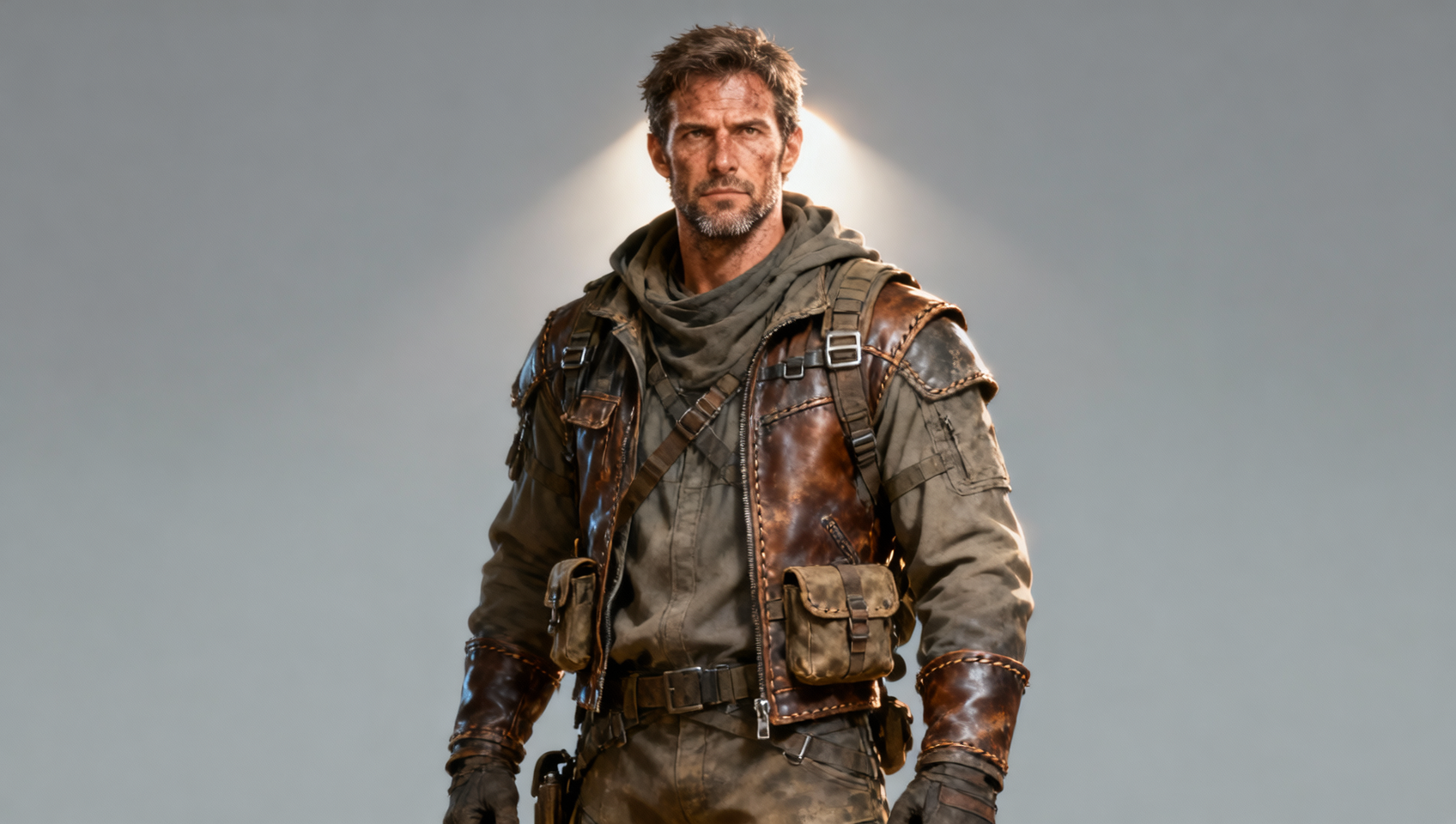
Who This Workflow Is For
Maintaining character consistency across multiple generations is the holy grail of AI image production. If you are a comic artist, storyboard creator, or concept designer, you know the frustration of generating a perfect protagonist in one shot, only to have their facial structure shift unpredictably in the next. This guide is built for practitioners who need reliability, not just novelty. It assumes you have basic familiarity with Midjourney prompts but need a structured approach to locking down identity.
The workflow detailed below leverages the --cref (Character Reference) parameter combined with character weight controls. It is designed for use within MidassAI Studio Midjourney, where managing these parameters alongside aspect ratios becomes significantly more streamlined.
Core Principles of Identity Locking
Before typing a single prompt, you must understand how Midjourney interprets reference images. The system does not copy-paste pixels; it analyzes semantic features. When you use a character reference, the AI looks at facial structure, hair color, and general clothing style. However, it also absorbs lighting conditions and background noise if you are not careful.
The core principle here is separation of concerns. Your character reference should ideally be a clean portrait or a full-body shot on a neutral background. If your reference image contains complex lighting or a busy background, the AI may attempt to replicate those environmental factors in your new generation, leading to inconsistent results. Always prioritize clear, well-lit reference images for the best --cref performance.
Establishing the Base Character
The first step is creating or selecting the source truth. This is the image that defines your character. If you are generating this from scratch, use a direct prompt with high stylization to ensure the character looks distinct.
/imagine prompt: a futuristic cyberpunk hacker with neon blue hair and scarred cheek, portrait lighting, detailed texture --v 7 --ar 2:3 --style rawOnce you have an image that perfectly captures the identity, upscale it and save the URL. This URL is your key. In MidassAI Studio, you can manage these assets in your library, making it easier to retrieve the exact link needed for the reference parameter without digging through chat history.
Locking the Identity with --cref
With your source image URL ready, you can now generate new poses or expressions while maintaining identity. The syntax is straightforward, but the execution requires precision. Append --cref [URL] to your new prompt.
/imagine prompt: the same hacker running through a rain soaked alleyway, dynamic action shot --cref https://example.com/image.png --v 7Notice that the prompt describes the action and environment, not the physical features of the character. You do not need to re-describe the blue hair or the scar. The --cref parameter handles that. If you over-describe the physical traits in the prompt while using a character reference, you create conflicting signals for the model, which often results in blending errors.
Controlling Influence with --cw
The Character Weight parameter (--cw) is where most users fail to optimize their workflow. By default, --cref carries a weight of 100, meaning it references both the face and the clothing. This is useful if you want the character to wear the same outfit in every shot. However, for versatility, you often need to change clothes while keeping the face consistent.
To reference only the face, set --cw 0.
/imagine prompt: the hacker wearing a formal suit at a gala, evening lighting --cref https://example.com/image.png --cw 0 --v 7Using --cw 0 tells Midjourney to ignore the clothing in the reference image and focus strictly on facial features and hair. This is critical for storytellers who need their characters to change costumes across different scenes. Experiment with values between 0 and 100 if you want partial clothing consistency, such as keeping a signature jacket but changing the shirt underneath.
Maintaining Composition and Style
Consistency is not just about the face; it is about the feel of the project. If one image is photorealistic and the next looks like an illustration, the character consistency matters less because the world feels broken. Use --style raw to reduce Midjourney's default aesthetic bias, giving you more control over the look.
Additionally, lock your aspect ratio (--ar). If your character sheet requires uniform dimensions for a comic strip or a website banner, ensure every prompt in the sequence uses the same --ar value. Switching from 2:3 to 16:9 mid-sequence can alter how the AI compositions the character's body, sometimes cropping out essential features or distorting proportions.
Quick Takeaways
Common Pitfalls and Troubleshooting
Even with perfect parameters, inconsistencies can arise. The most common issue is lighting mismatch. If your reference image is bright and studio-lit, but your new prompt requests a dark, moody scene, the AI may struggle to reconcile the facial details with the new lighting environment. This can make the character look pasted on. To fix this, try to match the lighting direction in your prompt to the reference, or accept that extreme lighting changes may require a new reference image better suited for that environment.
Another pitfall is version drift. Always specify the model version (e.g., --v 7). Midjourney updates frequently, and a character reference generated on version 6 might behave differently when applied to a generation on version 7. Consistency requires version locking across your entire project folder.
Angle changes also present challenges. Extreme close-ups or profile views can confuse the reference system if the original image is a frontal portrait. If you need a side profile, try to include a side-view image in your reference set or use a multi-image reference approach if supported, though single strong references usually yield cleaner results for specific identity locking.
Integrating into MidassAI Studio
Managing these parameters manually in Discord can become cumbersome when dealing with hundreds of assets. MidassAI Studio provides a dedicated interface for Midjourney workflows that simplifies this process. You can store your character reference URLs directly in the project settings, allowing you to inject --cref parameters without copying and pasting long links every time.
The studio environment also allows you to organize generations by project, ensuring that your character sheets stay grouped with their corresponding prompts. This organizational layer is vital when scaling from a single image to a full graphic novel or marketing campaign. By centralizing your workflow, you reduce the risk of losing the specific seed URLs that define your characters.
Finalizing Your Asset Library
Once you have generated a set of consistent images, do not treat them as final immediately. Use the variation tools to refine expressions or hand positions, which remain a common struggle point in AI generation. Keep your best results upscaled and archived.
Building a consistent character library is an iterative process. You may find that after generating ten scenes, you need to update your base reference to include a new hairstyle or accessory. When you do, generate a new base image and start a new --cref chain. Do not try to force an old reference to accommodate significant physical changes, as this degrades the quality of the identity lock.
By following this structured approach, you move from random generation to intentional creation. The tools are powerful, but they require discipline to yield professional results. Start experimenting with these parameters today to bring your persistent characters to life.
Ready to Streamline Your Creation Process?
Stop wrestling with disconnected prompts and start building cohesive visual worlds. Access the full power of Midjourney parameters within a dedicated workspace designed for professional workflows.