
Midjourney Style and Keyword Cheat Sheet – 55+ Prompt Guide
Midjourney AI Team · July 23, 2026 · 6 min read
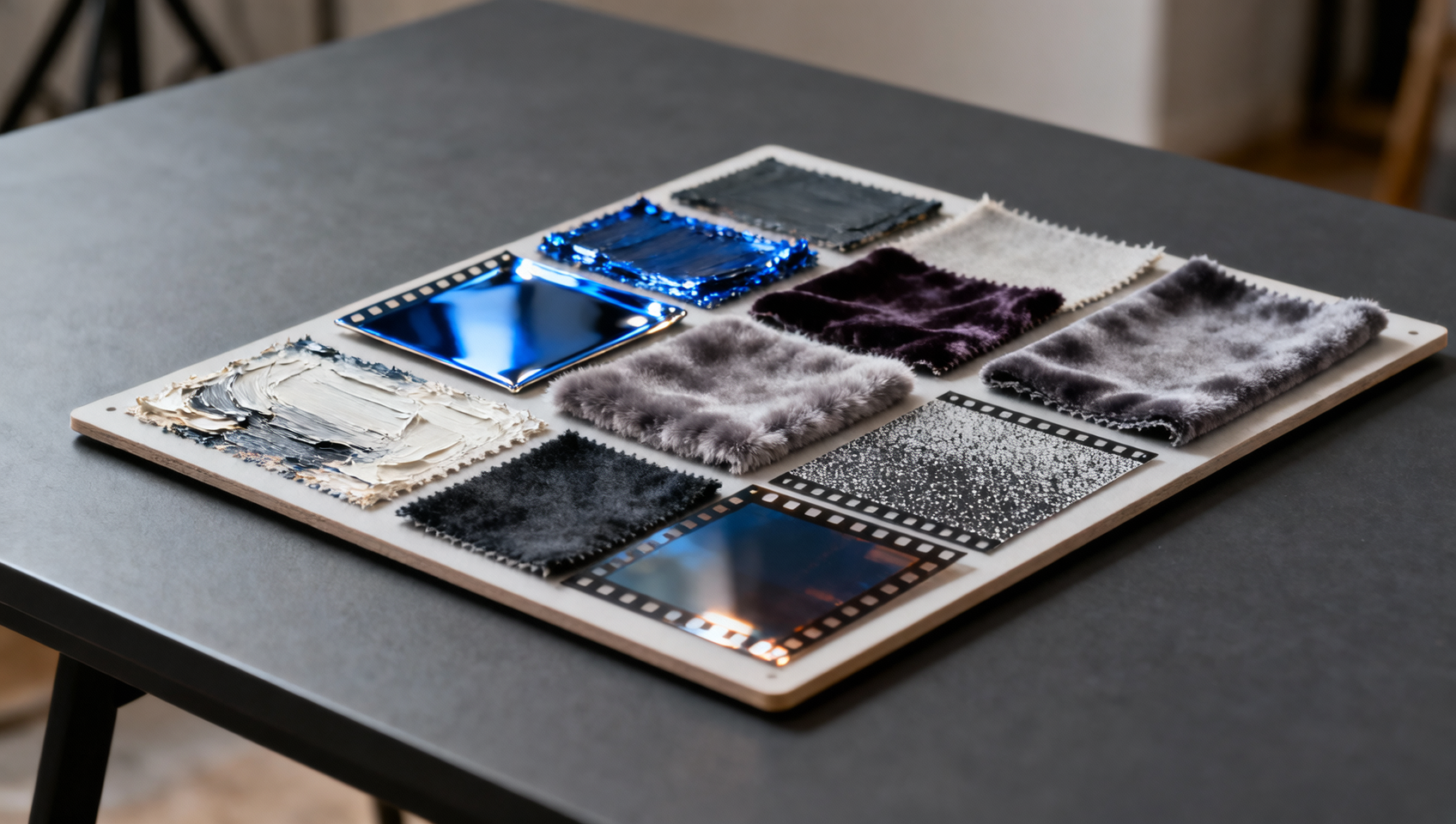
Why Prompt Structure Matters More Than You Think
Generating consistent AI art isn't about luck; it's about architecture. When you type a prompt into Midjourney, you aren't just asking for an image; you are directing a latent space navigation system. Without a structured approach, results vary wildly. One minute you get a photorealistic portrait, the next a skewed illustration. This inconsistency kills workflow efficiency, especially when you are producing assets for client work or content pipelines.
This guide breaks down the essential vocabulary needed to control Midjourney outputs reliably. We focus on three core layers: Art Style, Painting Media, and Texture Background. By mastering these categories, you stop guessing and start engineering. Whether you are using the Discord bot or the streamlined interface in MidassAI Studio, the logic remains the same. The difference lies in how quickly you can iterate.
Who This Is For
This resource is designed for visual designers, marketing teams, and content creators who need repeatable results. If you are tired of rolling the dice on every generation, this framework is for you. It is also suitable for hobbyists looking to understand why certain prompts yield higher fidelity than others. You do not need advanced coding knowledge, but you do need a willingness to test parameters systematically.
The Core Keyword Triad
To build a robust prompt, think in layers. A common mistake is stacking adjectives without hierarchy. Instead, organize your keywords into three distinct buckets. This helps the model prioritize visual information correctly.
1. Art Style
The style defines the aesthetic movement or visual language. This is the strongest signal you can send.
- Cyberpunk: Neon lights, high contrast, futuristic dystopia.
- Bauhaus: Geometric shapes, primary colors, minimalism.
- Ukiyo-e: Japanese woodblock print, flat perspective, bold outlines.
- Synthwave: Retro 80s, grids, purple and orange gradients.
- Hyperrealism: Indistinguishable from photography, sharp focus.
2. Painting Media
This dictates the material simulation. It tells the AI what tool created the image.
- Oil on Canvas: Visible brush strokes, textured, rich color depth.
- Watercolor: Translucent, bleeding edges, soft gradients.
- Digital Illustration: Clean lines, flat shading, vector-like quality.
- Charcoal Sketch: Grainy, monochromatic, high contrast shading.
- 3D Render: Octane render, ray tracing, smooth surfaces.
3. Texture and Background
This layer controls the atmosphere and depth. It prevents images from looking flat or sterile.
- Volumetric Lighting: God rays, atmospheric depth, dust particles.
- Film Grain: ISO 3200, nostalgic feel, analog texture.
- Bokeh: Blurred background, focus on subject, depth of field.
- Minimalist White: Clean, studio lighting, product focus.
- Dark Moody: Shadows, low key lighting, mysterious tone.
Quick Takeaways
Building Your Prompt Workflow
Combining these elements requires a specific syntax to avoid keyword conflict. Start with the subject, then append the triad layers. Finally, add technical parameters. A well-structured prompt looks like this:
/imagine prompt: [Subject], [Art Style], [Painting Media], [Texture/Background] --v 7 --ar 16:9
For example, if you want a futuristic cityscape, do not just type "future city." Instead, construct it:
/imagine prompt: Futuristic cityscape, Cyberpunk style, Digital Illustration, Volumetric Lighting --v 7 --ar 16:9 --s 250
This tells Midjourney exactly what to draw, how to draw it, and how to light it. The --s 250 parameter controls stylization, keeping the image artistic but not overly abstract. If you find the AI is ignoring your specific media keywords, try adding --style raw. This parameter reduces the model's internal bias towards beautification, allowing your specific media keywords like "Charcoal Sketch" to take precedence over generic digital polish.
Parameter Mastery for Control
Keywords are only half the battle. Parameters give you technical control over the output dimensions and model behavior. In MidassAI Studio, you can adjust these via sliders, but knowing the syntax helps you refine prompts manually.
- Aspect Ratio (--ar): Always set this early. Social media needs 4:5 or 1:1, while wallpapers require 16:9. Changing this late in the process can alter composition significantly.
- Version (--v): We recommend using
--v 7or the latest stable version for improved coherence and text rendering. Newer versions understand natural language better but may require--style rawto adhere strictly to niche art styles. - Style Reference (--sref): If you have an image URL that captures the exact color palette or mood you want, use
--sref [URL]. This is more powerful than keywords for consistency across a series of images. - Character Reference (--cref): For storytelling, keep your character consistent by using
--cref [URL]. This locks facial features and clothing details across different prompts.
Common Pitfalls to Avoid
Even with a cheat sheet, errors happen. Here are the most frequent issues we see practitioners face.
Overloading the Prompt Adding too many keywords confuses the model. If you ask for "watercolor, oil, 3d render, and sketch" simultaneously, the AI will blend them into a muddy mess. Pick one media type per generation.
Ignoring Negative Space
Midjourney does not support negative prompting (e.g., --no hands) in the same way Stable Diffusion does. Instead, describe what you want to see. Rather than saying "no background," say "isolated on white background."
Inconsistent Lighting Mixing "moody shadows" with "bright studio lighting" creates conflict. Ensure your texture and background keywords align with your art style. A Cyberpunk scene works well with neon and rain, but clashes with soft watercolor textures unless you are intentionally aiming for contrast.
Iterating in MidassAI Studio
Once you have your base prompt, the real work begins. Rarely is the first generation the final asset. Use the Variation tools to tweak composition without losing the style. In MidassAI Studio, you can manage these iterations in a project folder, keeping your style references organized.
When you find a combination that works, save it as a template. For example, if "Oil on Canvas + Volumetric Lighting" gives you the perfect texture for your brand, store that suffix. Reusing successful keyword clusters saves hours of tuning time.
Next Steps for Your Workflow
Stop treating prompts as disposable text. Treat them as code assets. Document what works, version your prompts, and build a personal library of style modifiers. This shift in mindset moves you from a casual user to a professional operator.
Ready to streamline your generation process? Access the full power of Midjourney with organized workflows and team collaboration features.