
prompting
5 Essential Midjourney Prompts for Every Creator
Midjourney AI Team · July 23, 2026 · 6 min read
Keywords: midjourney prompts, ai image generation
Published: July 23, 2026 Author: Midjourney AI Team
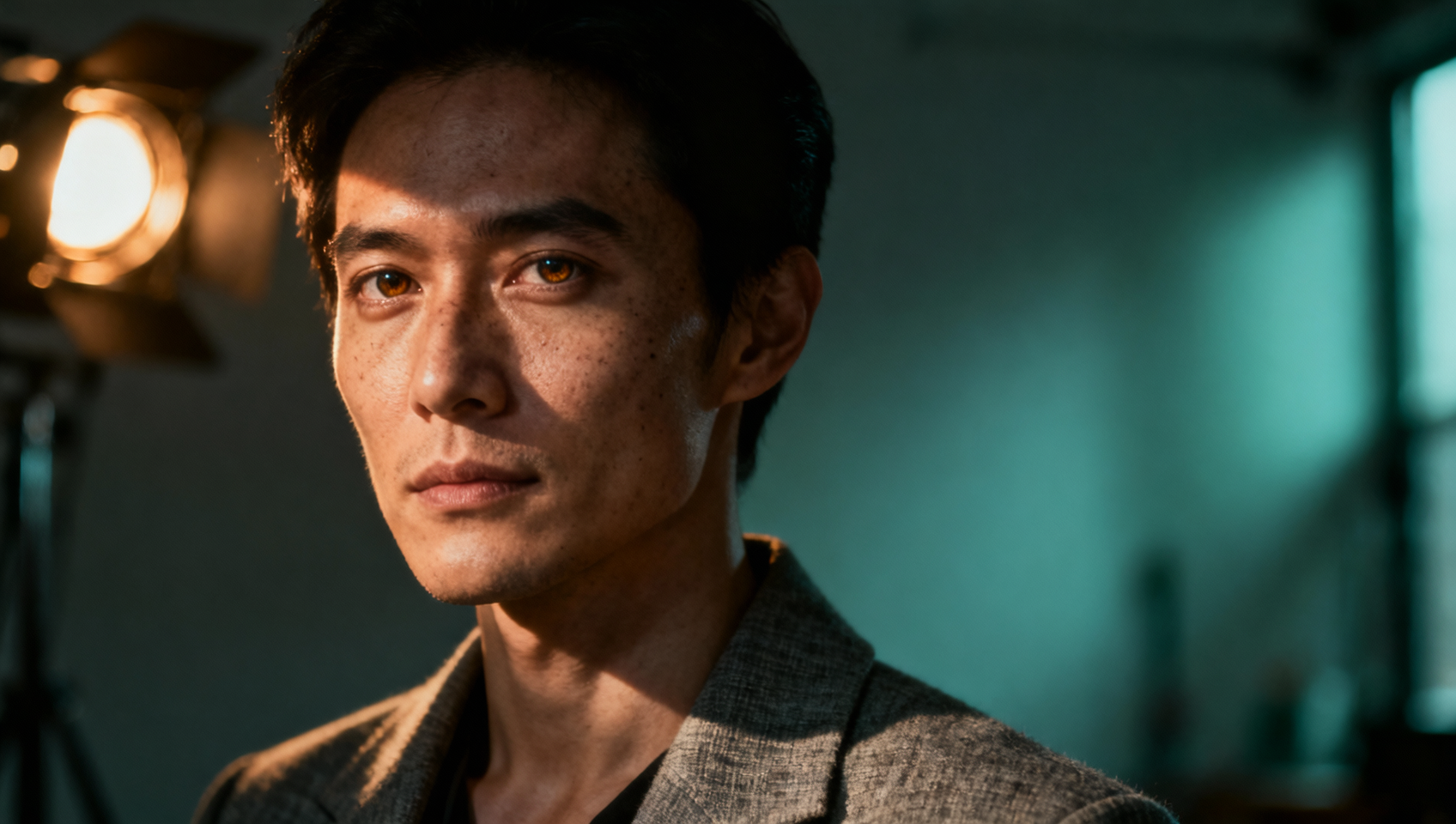
Mastering Specificity in AI Image Generation
Effective prompting is less about poetic language and more about technical specification. When you move beyond generic descriptions, you gain control over lighting, composition, and texture. This guide breaks down five distinct visual styles, providing the exact syntax needed to replicate them reliably. We focus on practical application using Midjourney version 7 parameters, ensuring your output matches professional standards.
These examples are designed to be tested immediately. You can copy the structures below and adjust the subject matter while keeping the technical modifiers intact. For the smoothest workflow, try running these variations in MidassAI Studio Midjourney, where parameter management is streamlined for iterative design.
Who This Is For
This guide targets visual designers, content marketers, and concept artists who need consistent results without endless rerolls. If you are tired of guessing which modifiers affect contrast or how to enforce a specific aspect ratio, this breakdown clarifies the relationship between text inputs and visual output. It is also suitable for hobbyists looking to understand why certain prompts fail to render specific details.
Fantasy Character Portrait
Character consistency is a common hurdle in generative art. To achieve a high-fidelity fantasy portrait, you must define the lighting source and material properties explicitly. Avoid vague terms like "beautiful" and instead specify texture maps like "subsurface scattering" or "intricate enamel."
Prompt Structure:
/imagine prompt: fantasy elf ranger portrait, intricate silver armor with enamel details, subsurface scattering on skin, volumetric lighting from left, dark forest background, bokeh effect --ar 4:5 --style raw --v 7
Why This Works:
The --style raw parameter reduces Midjourney's default aesthetic bias, allowing for more photorealistic skin textures. Specifying the light direction ("from left") creates depth, preventing the flat look common in AI portraits. The aspect ratio --ar 4:5 suits social media profiles. When refining, use --cref (character reference) if you need to maintain this specific character across multiple scenes.
Minimal Graphic Illustration
Vector-style graphics require clean lines and flat colors. AI models often add unnecessary noise or gradients to minimal designs. To counter this, emphasize negative space and restrict the color palette in your prompt.
Prompt Structure:
/imagine prompt: minimal graphic illustration of a mountain peak, flat vector style, limited color palette navy and cream, heavy negative space, no gradients, clean lines --ar 16:9 --v 7
Why This Works:
Terms like "no gradients" and "clean lines" act as negative constraints. The --ar 16:9 ratio provides a cinematic wide frame suitable for web headers. If the output still feels too detailed, increase the stylize value slightly or add "icon design" to the subject description to force simplification.
Cinematic Silhouette
Silhouettes rely on high contrast between the subject and the background. The challenge is preventing the AI from filling in details on the subject. You must demand backlighting and shadow density.
Prompt Structure:
/imagine prompt: cinematic silhouette of a lone traveler on ridge, heavy backlighting, sunset horizon, deep shadows, high contrast, atmospheric dust --ar 21:9 --style raw --v 7
Why This Works:
The ultra-wide --ar 21:9 mimics anamorphic film lenses. "Heavy backlighting" is the key modifier here; it tells the renderer to place the light source behind the subject, naturally creating the silhouette. "Atmospheric dust" adds depth to the light beams, preventing the image from looking like a flat cutout.
Macro Food Photography
Food imagery requires appetite appeal, which translates to specific lighting and texture cues in prompting. Gloss, steam, and depth of field are critical modifiers. Without them, food can appear plastic or unappetizing.
Prompt Structure:
/imagine prompt: macro food photography of glazed donut, sugar crystals visible, steam rising, shallow depth of field, f/2.8 aperture, warm studio lighting --ar 1:1 --v 7
Why This Works:
Specifying "f/2.8 aperture" forces a shallow depth of field, blurring the background and focusing attention on the texture. "Sugar crystals visible" ensures the model renders micro-details rather than a smooth surface. The square --ar 1:1 ratio is standard for Instagram feeds. Avoid cold lighting terms; "warm studio lighting" enhances the perception of freshness.
VHS-Style Poster
Nostalgic aesthetics require artificial imperfections. Modern AI models default to high definition, so you must explicitly request degradation artifacts like grain, tracking errors, and color bleed.
Prompt Structure:
/imagine prompt: 1980s horror movie poster, VHS tape aesthetic, tracking lines, color bleed, film grain, low resolution scan, retro typography --ar 2:3 --v 7
Why This Works:
"Tracking lines" and "color bleed" are specific technical artifacts associated with analog tape. Without these, the image will just look like a modern retro-style illustration. The --ar 2:3 ratio matches standard poster dimensions. If the effect is too subtle, add "damaged tape" to increase the distortion level.
Quick Takeaways
Parameter Optimization and Version Control
Using the correct version parameter is critical for reproducibility. The examples above utilize --v 7, which offers improved coherence and prompt adherence compared to earlier iterations. However, parameters like --s (stylize) interact differently across versions. A high stylize value in version 6 might produce chaotic results in version 7.
Always document your successful parameter sets. If a prompt works well with --style raw, note that it may fail without it in future sessions. Consistency comes from logging what works. When testing these prompts, start with the exact syntax provided before swapping out subject matter. This isolates variables, helping you understand if a failure is due to the subject or the lighting modifiers.
Executing Workflows in MidassAI Studio
Testing these prompts individually is useful, but batch testing accelerates learning. MidassAI Studio Midjourney provides an environment where you can manage these variations without switching contexts. You can save successful parameter combinations as presets, ensuring your team maintains visual consistency across projects.
The platform supports the full range of Midjourney syntax, including --sref for style references and --cref for character consistency. Integrating these tools into your daily workflow reduces the time spent on prompt engineering and increases time spent on curation and refinement.
Final Thoughts on Prompt Engineering
Prompting is an iterative process. Rarely does the first generation match the vision perfectly. Use these five structures as foundations. Adjust lighting descriptors, swap aspect ratios, and experiment with stylize values. The goal is not to memorize prompts but to understand how modifiers influence the renderer.
For a streamlined experience that supports these advanced workflows, explore the dedicated tools available for creators.