
Vintage Tram Midjourney Prompts: Step-by-Step Guide & Templates
Midjourney AI Team · July 23, 2026 · 6 min read
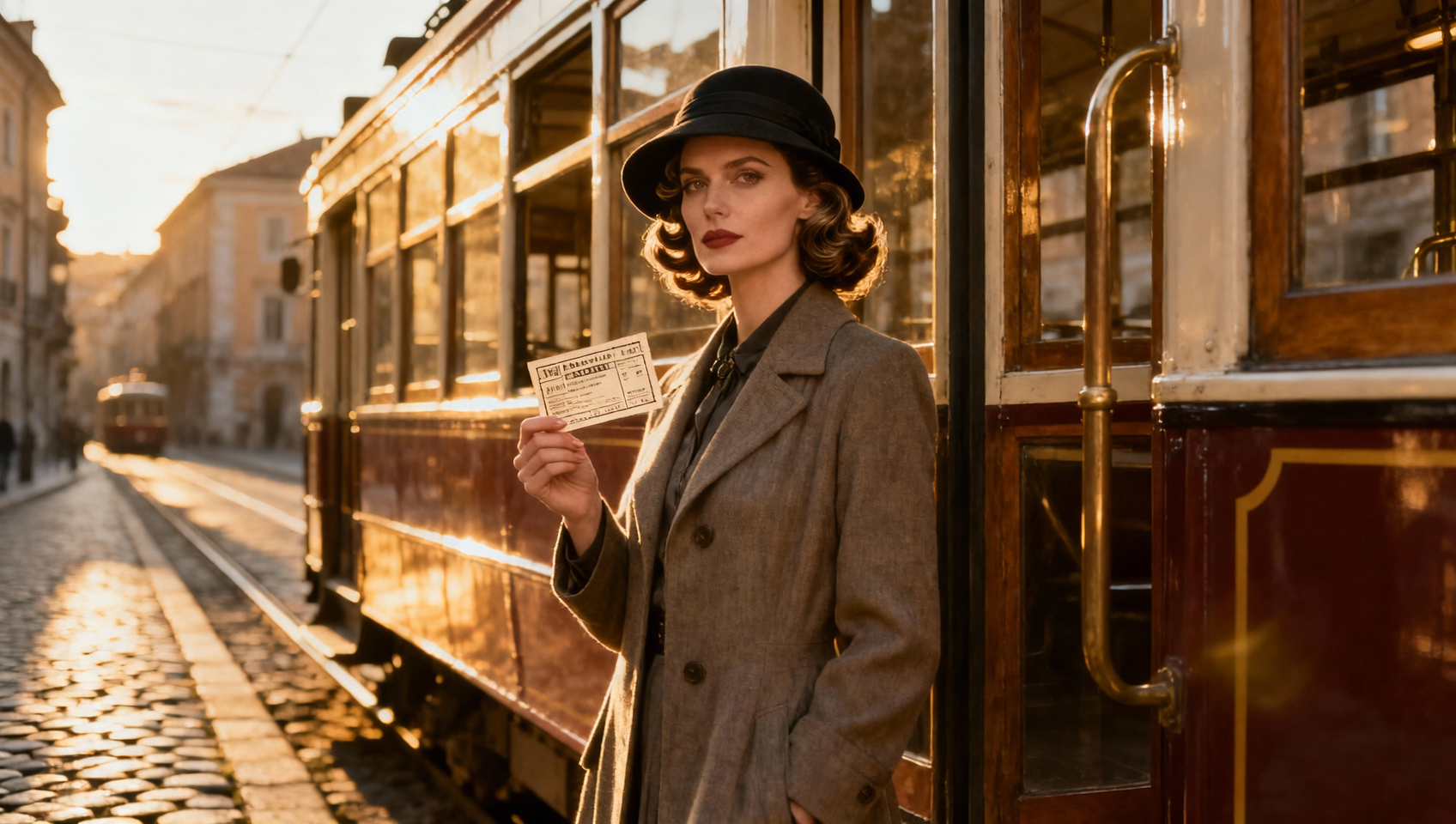
Deconstructing the Vintage Aesthetic
Creating convincing retro imagery requires more than just adding a filter. When generating vintage trams or streetcars in Midjourney, the goal is to capture the specific material decay, lighting conditions, and cultural context of a bygone era. Whether you are designing a travel poster or generating assets for a period-accurate video project, the prompt structure must dictate the camera type, film stock, and environmental mood.
This guide breaks down the specific tokens needed to achieve high-fidelity results. We focus on the interplay between subject matter and technical parameters like --style raw and aspect ratios. You can test these workflows directly in MidassAI Studio to streamline your generation process.
Who This Is For
This tutorial is designed for visual designers, content creators, and AI artists who need consistent, high-quality retro assets. It is particularly useful for those creating marketing materials for heritage tourism, historical documentaries, or stylized social media content. If you struggle with Midjourney producing modern elements in historical scenes, this breakdown addresses contamination issues directly.
Core Prompt Components
To generate a believable vintage tram, you must layer your prompt with specific descriptors. Start with the subject, then move to the era, followed by the environment and finally the technical camera specs.
- Subject: Define the vehicle clearly. Use terms like "San Francisco cable car," "Melbourne W-class tram," or "1920s streetcar."
- Era Indicators: Specify the decade. Tokens like "1940s," "post-war," or "art deco era" help the model understand the architectural and fashion context surrounding the vehicle.
- Material and Texture: Vintage vehicles show wear. Use keywords like "patina," "chipped paint," "oxidized copper," or "worn wood paneling."
- Lighting and Color: Color grading defines the age. "Kodachrome," "sepia tone," "neon noir," or "faded pastel" set the mood. Lighting should be dramatic; try "volumetric fog," "streetlamp glow," or "golden hour."
{"headers":["Feature","Benefit"],["rows":[["Speed","Faster creation"],["Quality","Studio-grade output"]]}Quick Takeaways
Complete Prompt Templates
Below are two distinct templates optimized for different use cases. The first focuses on a cinematic landscape suitable for video backgrounds, while the second targets vertical composition for posters or social media stories. These examples utilize Midjourney Version 7 parameters for maximum coherence.
Cinematic Landscape Template
This prompt is designed for wide shots that establish a scene. It emphasizes environmental context and lighting depth.
/imagine prompt: 1950s vintage red streetcar moving down wet cobblestone street, neon signs reflecting in puddles, night time, cinematic lighting, shot on Kodak Portra 400, shallow depth of field, urban atmosphere, detailed texture --ar 16:9 --style raw --v 7 --s 250Parameter Breakdown:
--ar 16:9: Sets a widescreen aspect ratio, ideal for YouTube thumbnails or video backgrounds.--style raw: Reduces Midjourney's default aesthetic beautification, resulting in a more photographic and less illustrative look.--s 250: A moderate stylize value that balances artistic interpretation with prompt adherence.--v 7: Ensures you are using the latest model version for improved lighting and texture handling.
Vertical Poster Template
For travel content or promotional materials, a vertical composition allows for text overlay and focuses on the height of the vehicle and surrounding architecture.
/imagine prompt: close-up of antique tram conductor, brass buttons, vintage uniform, city skyline in background, art deco architecture, warm sunlight, dust particles, film grain, nostalgic mood --ar 2:3 --style raw --v 7 --s 100Parameter Breakdown:
--ar 2:3: Standard poster ratio, perfect for Pinterest or printed materials.--s 100: Lower stylization ensures the specific details like "brass buttons" remain accurate without too much artistic deviation.- Film Grain: Adding "film grain" or "ISO 800" introduces noise that mimics older photography techniques, enhancing the vintage feel.
When using these templates in MidassAI Studio, you can save these parameter sets as presets. This allows you to swap out the subject matter while keeping the lighting and camera logic consistent across a project.
Integrating into Multi-Modal Workflows
Generating a static image is often just the first step. Modern content creation involves translating these visual assets into video, audio, and interactive experiences. Here is how you can extend your vintage tram generations into a full production pipeline.
AI Image to Video
Once you have a high-quality base image from Midjourney, you can animate it using video generation models. Upload your generated tram image to a video AI tool. Use motion prompts like "camera pan right," "steam rising," or "wheels turning slowly." The consistency of the base image ensures the video does not morph unpredictably. For best results, keep the motion strength low to preserve the structural integrity of the vintage vehicle.
AI Music and Ambiance
Visuals set the scene, but audio immerses the audience. Use the mood of your generated image to prompt music AI tools. If your image is a rainy night scene, prompt for "slow jazz, rain sounds, saxophone, low fidelity." If it is a sunny travel poster, prompt for "upbeat swing, brass section, 1940s radio quality." Matching the audio fidelity to the visual grain creates a cohesive sensory experience.
AI Tools and Post-Processing
Raw generations may require minor adjustments. Use AI upscalers to increase resolution for print without losing the film grain texture. Be careful not to over-sharpen, as this removes the vintage character. Color grading tools can further push the色调 towards teal and orange or sepia depending on your brand guidelines.
Common Pitfalls to Avoid
- Modern Contamination: Midjourney sometimes inserts modern cars or signage into historical scenes. Use negative prompting (if available in your interface) or reinforce the era in the prompt with "no modern vehicles, no plastic."
- Over-Stylization: High
--svalues can make the tram look like a painting rather than a photograph. Keep--style rawactive for realism. - Incorrect Lighting: Ensure the light source matches the time of day. Neon signs should not be visible in broad daylight unless specified as illuminated signage.
By mastering these prompt structures and understanding how to extend the assets into other media, you create a robust workflow for historical content. Consistent testing is key. Save your successful seeds and iterate on the lighting conditions to build a library of reliable vintage assets.
For a streamlined experience managing these generations and parameters, utilize the dedicated studio environment. It allows for better organization of your prompt history and faster iteration cycles compared to standard discord interfaces.
Try Midjourney in MidassAI Studio to access these advanced workflows and optimize your creative pipeline.