
Midjourney V7
Midjourney V7 Complete Guide: Model Features, Prompt Tips & Real Cases
Midjourney AI Team · July 23, 2026 · 7 min read
Keywords: Midjourney V7 prompt, AI image generation
Published: July 23, 2026 Author: Midjourney AI Team
Understanding the Shift in Midjourney V7
The release of Midjourney V7 marks a significant pivot in how generative models handle coherence and user intent. Previous versions often required users to fight against the model's tendency to hallucinate details or ignore complex constraints. V7 changes this dynamic by prioritizing semantic adherence without sacrificing the aesthetic density that made the platform popular. For professionals integrating AI into production workflows, this update reduces the iteration count needed to reach a final asset. It is not merely a quality bump; it is a usability overhaul that rewards precise instruction over vague experimentation.
When we analyze the architecture behind V7, the focus shifts from pure diffusion noise to better latent space mapping. This means the model understands the relationship between objects in a scene more logically. If you request a "hand holding a camera," V7 is less likely to merge the fingers into the lens housing. This structural integrity allows creators to spend less time fixing anatomy and more time refining lighting and composition. For teams using MidassAI Studio, this reliability translates directly into faster turnaround times for client drafts.
Core Features: Detail, Semantics, and Control
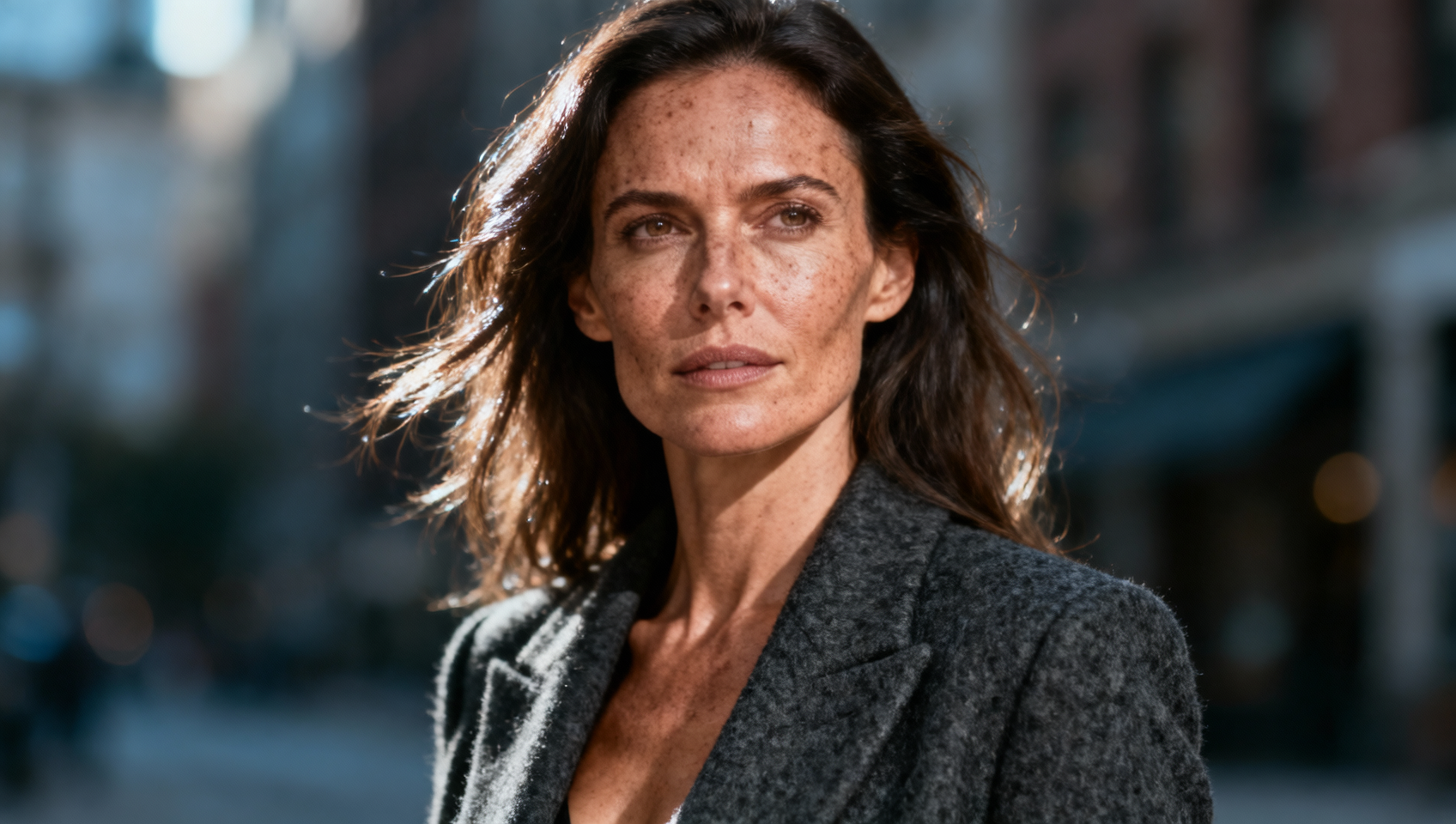
The three pillars of V7 are detail density, semantic compliance, and style sensitivity. Detail density in V7 does not mean adding noise for the sake of texture. Instead, the model renders information where it matters. Skin pores appear only when the camera distance suggests they should be visible. This prevents the "plastic look" common in earlier versions where high-frequency noise was applied globally.
Semantic compliance is the most critical upgrade for prompt engineers. In V6, complex sentences often caused the model to drop secondary subjects. V7 maintains subject stability even when the prompt includes multiple clauses. For example, describing a character's outfit, their action, and the background weather simultaneously no longer results in the model ignoring the weather. This allows for narrative-driven image generation rather than single-subject portraits.
Style sensitivity has also been tuned. The --style raw parameter now interacts more predictably with artistic keywords. Previously, adding "cinematic lighting" might override a specific artistic style like "watercolor." In V7, the model balances these instructions, allowing for hybrid aesthetics. This is crucial for brand consistency, where you might need a specific illustration style that still adheres to strict lighting requirements for product visibility.
The Four-Layer Prompt Framework
To maximize V7's capabilities, we recommend a structured approach to prompt construction. Randomly stacking keywords often leads to conflicting signals. A four-layer structure ensures the model processes instructions in order of importance.
Layer 1: Subject and Action Always start with the primary focus. Be specific about what the subject is doing.
- Weak: A woman running.
- Strong: A female sprinter mid-stride, muscles tensed, eyes focused on the horizon.
Layer 2: Environment and Atmosphere Define where the action takes place and the mood of the scene.
- Example: On a wet asphalt track at dawn, mist rising from the ground, cool blue tones.
Layer 3: Style and Lighting Specify the artistic medium and light source.
- Example: Shot on 35mm film, volumetric lighting, high contrast, cinematic color grading.
Layer 4: Camera and Parameters Finish with technical specs and model flags.
- Example: 85mm lens, f/1.8 --ar 16:9 --v 7 --style raw
Combining these layers creates a robust prompt. Here is a complete example you can test:
/imagine prompt: A vintage leather armchair in a sunlit library, dust motes dancing in light beams, warm golden hour glow, photorealistic interior design, 50mm lens --ar 3:2 --v 7 --style raw
This structure helps the model prioritize the subject before applying stylistic filters. It reduces the chance of the style overpowering the subject matter, a common issue in previous iterations.
Parameter Mastery and Combinations
Parameters in V7 function differently than in V5 or V6. The --v 7 flag is essential to access the new model weights. However, combining it with --sref (style reference) and --cref (character reference) yields the best consistency for series work.
For universal output, start with --ar 16:9 for cinematic wides or --ar 4:5 for social media portraits. The --stylize parameter controls how much artistic freedom the model takes. In V7, a lower stylize value (e.g., --s 50) keeps the image closer to the prompt literalism, while higher values (e.g., --s 750) add more decorative flair. For commercial work, we recommend keeping stylize moderate to ensure the output matches the brief.
When using --style raw, you remove some of the default Midjourney aesthetic bias. This is ideal when you want the image to look like a photograph taken by a human rather than a digital render. Combining --style raw with specific camera parameters like --no (negative prompting) helps eliminate common artifacts like extra limbs or blurred text.
Quick Takeaways
Troubleshooting Common V7 Issues
Even with improvements, issues can arise. If your images look too smooth, you may be overusing --stylize. Try reducing it or removing --style raw to reintroduce texture. If the model ignores part of your prompt, check the order. V7 reads from left to right, with early tokens carrying more weight. Move critical elements to the start of the prompt.
Another common pitfall is conflicting lighting instructions. Asking for "neon lights" and "natural sunlight" in the same prompt confuses the renderer. Choose one primary light source and use secondary descriptors to modify it, such as "natural sunlight filtering through neon signs."
Consistency across multiple generations remains a challenge in any AI workflow. To maintain character consistency, rely heavily on --cref. Upload a reference image of your character and append the URL with the --cref flag. This locks facial features and clothing details across different poses and environments. For style consistency, use --sref with a mood board image rather than a single photo. This gives the model a broader understanding of the color palette and texture you want to maintain.
Integrating V7 into Your Workflow
Adopting V7 requires adjusting your expectations regarding iteration. Because the model is more compliant, you should write longer, more descriptive prompts rather than relying on short keywords. This shift rewards writers and art directors who can articulate their vision clearly.
For teams managing multiple projects, organizing prompts by the four-layer structure ensures that any team member can replicate the results. Documentation becomes easier when every prompt follows the same logic. You can save these structured prompts as templates within MidassAI Studio to accelerate future projects.
The efficiency gains from V7 are substantial. Where V5 might have required ten variations to find one usable image, V7 often delivers viable options in the first batch. This allows you to focus on post-processing and refinement rather than basic generation. To experience these improvements firsthand, we recommend testing the new model parameters in a controlled environment.
Ready to streamline your AI art production? Explore the full capabilities of the latest model within our integrated platform.
Try Midjourney in MidassAI Studio
By mastering the nuances of V7, you move from random generation to intentional creation. The tools are more powerful, but they demand more precision. Treat the prompt as a brief, not a wish list, and the model will respond with professional-grade assets that fit seamlessly into your production pipeline.