
Midjourney V8.1
Midjourney V8.1 Effect Showcase: Quality & Workflow Upgrades
Midjourney AI Team · July 23, 2026 · 6 min read
Keywords: Midjourney V8.1, Midjourney tutorial, AI image generator
Published: July 23, 2026 Author: Midjourney AI Team
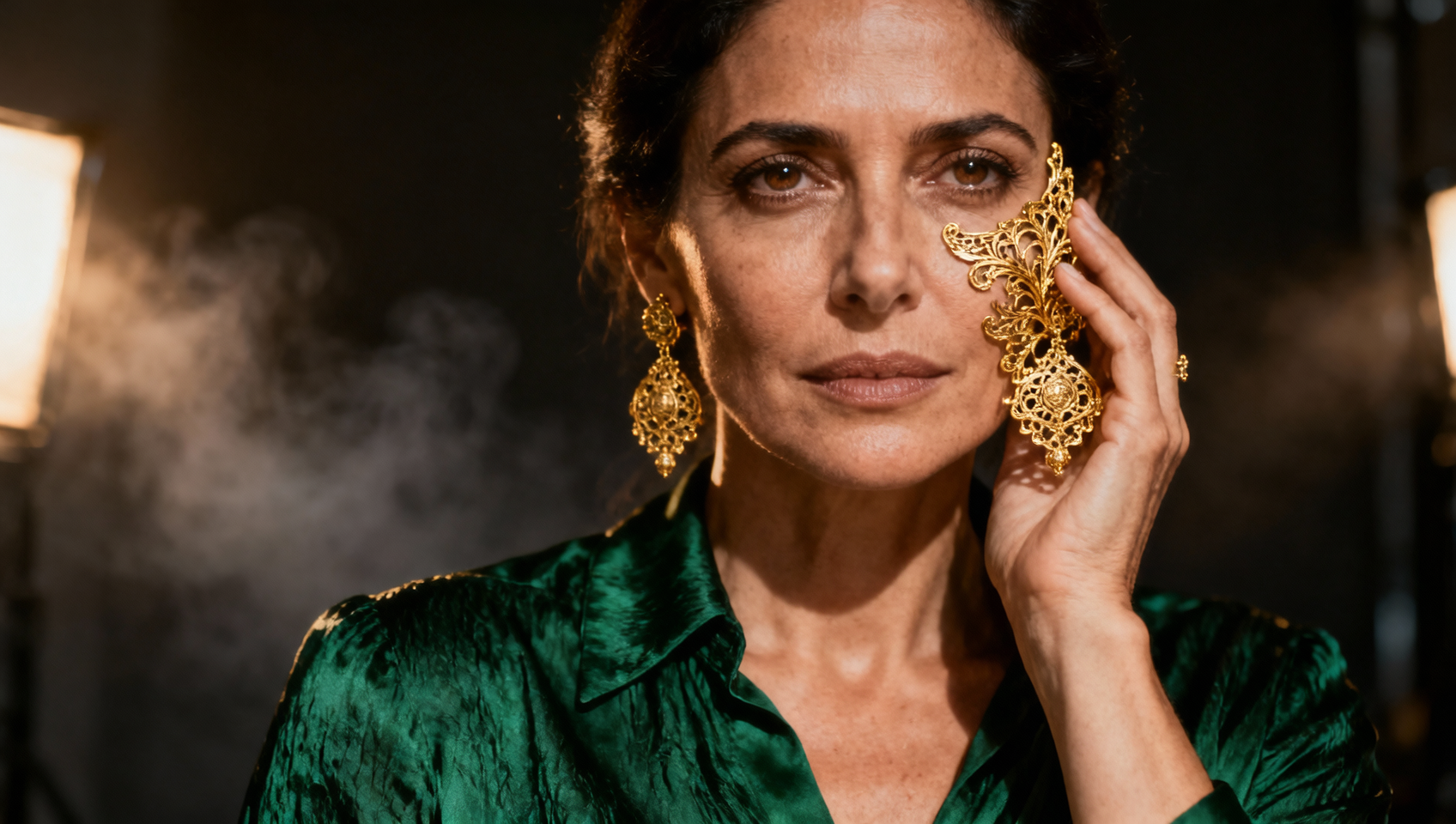
Understanding the Shift to Midjourney V8.1
The release of Midjourney V8.1 marks a significant pivot in how generative models interpret semantic intent versus aesthetic style. For practitioners integrating AI into professional workflows, version updates are not merely about sharper pixels; they are about reliability and predictability. V8.1 refines the underlying diffusion architecture to reduce hallucinations in complex compositions while enhancing texture fidelity. This update is particularly relevant for users operating within integrated environments like MidassAI Studio, where consistency across batches is critical for production pipelines.
This overview breaks down the seven core improvements defined in the latest release notes, translating technical changelogs into actionable workflow adjustments. We will examine prompt adherence, lighting logic, and the nuanced handling of --style raw parameters that distinguish this version from its predecessors.
Seven Core Improvements in V8.1
The development team focused on stability and semantic accuracy. While previous versions excelled at artistic flair, V8.1 prioritizes structural integrity. The first major improvement is Prompt Adherence. The model now weights natural language tokens more heavily, reducing the need for excessive parameter tweaking to achieve basic composition goals.
Second, Lighting Consistency has been overhauled. Shadows and highlights now react more logically to implied light sources within the prompt. Third, Texture Rendering sees a boost in micro-detail, particularly in organic materials like skin, fabric, and foliage. Fourth, Color Grading is more cinematic by default, reducing the need for post-processing color correction.
The fifth improvement involves Character Consistency. When using --cref, V8.1 maintains facial features across different angles with higher fidelity. Sixth, Aspect Ratio Handling is more robust, ensuring subjects are not cropped awkwardly when using extreme --ar values. Finally, Render Speed has been optimized within the studio environment, allowing for faster iteration cycles during the conceptual phase.
Hands-on Results and Prompt Syntax
To leverage V8.1 effectively, you must adjust your prompting syntax. The model understands context better, so you can write more natural sentences. However, specific parameters still drive the technical output. Below is a practical example of how to construct a prompt for high-fidelity character work.
/portrait of a cybernetic architect standing in a rain-soaked neo-tokyo street, neon signs reflecting in puddles, cinematic lighting, detailed iris texture --ar 16:9 --style raw --v 8.1 --s 250In this example, the --style raw parameter is crucial. It tells the model to prioritize the prompt's descriptive language over Midjourney's default aesthetic bias. The --s 250 (stylize) value keeps the image artistic without drifting into abstraction. Notice the specific mention of "detailed iris texture." In V8.1, micro-prompts like this are rendered more accurately than in V7.
For environment design, you might rely on reference images. Using --sref allows you to pull color palettes and lighting schemes from existing assets.
/isometric view of a modular server room, clean cables, blue ambient light --sref https://example.com/palette.jpg --ar 3:2 --v 8.1When testing these workflows in MidassAI Studio, you can save these parameter presets. This ensures that every team member generates assets with the same technical baseline, reducing variability in the final deliverables.
Who This Is For
This update is essential for commercial artists, concept designers, and marketing teams who require batch consistency. If your workflow involves generating multiple variations of a single asset for A/B testing, V8.1's improved stability reduces the number of rerolls needed. It is also suitable for storyboard artists who need characters to remain recognizable across different scenes.
However, if your primary goal is abstract art or highly stylized illustrations that benefit from model hallucination, you might find V8.1 too rigid. The model's commitment to logic can sometimes suppress happy accidents that earlier versions might have produced.
When Should You Switch to V8.1?
Migration decisions should be based on project requirements rather than novelty. If you are working on client deliverables where prompt accuracy is non-negotiable, switching to V8.1 is recommended immediately. The reduction in "artifacting" around hands and text elements saves significant time in post-production.
For legacy projects built on V6 or V7, consider the cost of re-generation. If you rely heavily on specific seeds that behave differently in V8.1, you may need to regenerate your asset library. Test a subset of your critical prompts in the studio environment before committing fully. Compare the output side-by-side. If the lighting logic improvements outweigh the stylistic shifts, proceed with the upgrade.
It is also worth noting the ecosystem context. Midjourney is expanding beyond static images. While this article focuses on image generation, the underlying model improvements in V8.1 lay the groundwork for upcoming AI Video and AI Music integrations. Staying current ensures compatibility when these multimodal features roll out within the MidassAI platform.
Integrating into Your Pipeline
Efficiency comes from integration. Do not treat Midjourney as a standalone toy; treat it as a render engine. Use the --cref parameter to maintain character identity across marketing materials. Use --ar presets that match your final delivery formats (e.g., 9:16 for social stories, 16:9 for web banners).
Within MidassAI Studio, you can organize these generations into projects. This allows you to tag successful prompts and reuse them. The studio environment also provides better management for API credits and generation history, which is vital for team collaboration.
Quick Takeaways
Final Verdict on V8.1
The transition to V8.1 represents a maturation of the toolset. It moves away from "magic" and toward "utility." For professionals, this is the desired trajectory. The ability to predict outcomes based on prompt inputs reduces wasted time and resources.
While the learning curve involves adjusting to the new lighting and texture defaults, the long-term gains in quality control are substantial. We recommend running parallel tests with your current version and V8.1 for one week. Measure the time saved on edits and the reduction in rerolls. In most professional scenarios, the data will favor the newer model.
To start experimenting with these parameters immediately, you need access to a stable environment that supports the latest versions without local installation hurdles.
Try Midjourney in MidassAI Studio to access V8.1 and integrate these workflows into your production pipeline today.