
midjourney
Decoding Midjourney V7 Award-Winning Art: Patterns from Global Competitions
Midjourney AI Team · July 23, 2026 · 6 min read
Keywords: Midjourney V7, AI art competition, prompt strategy
Published: July 23, 2026 Author: Midjourney AI Team
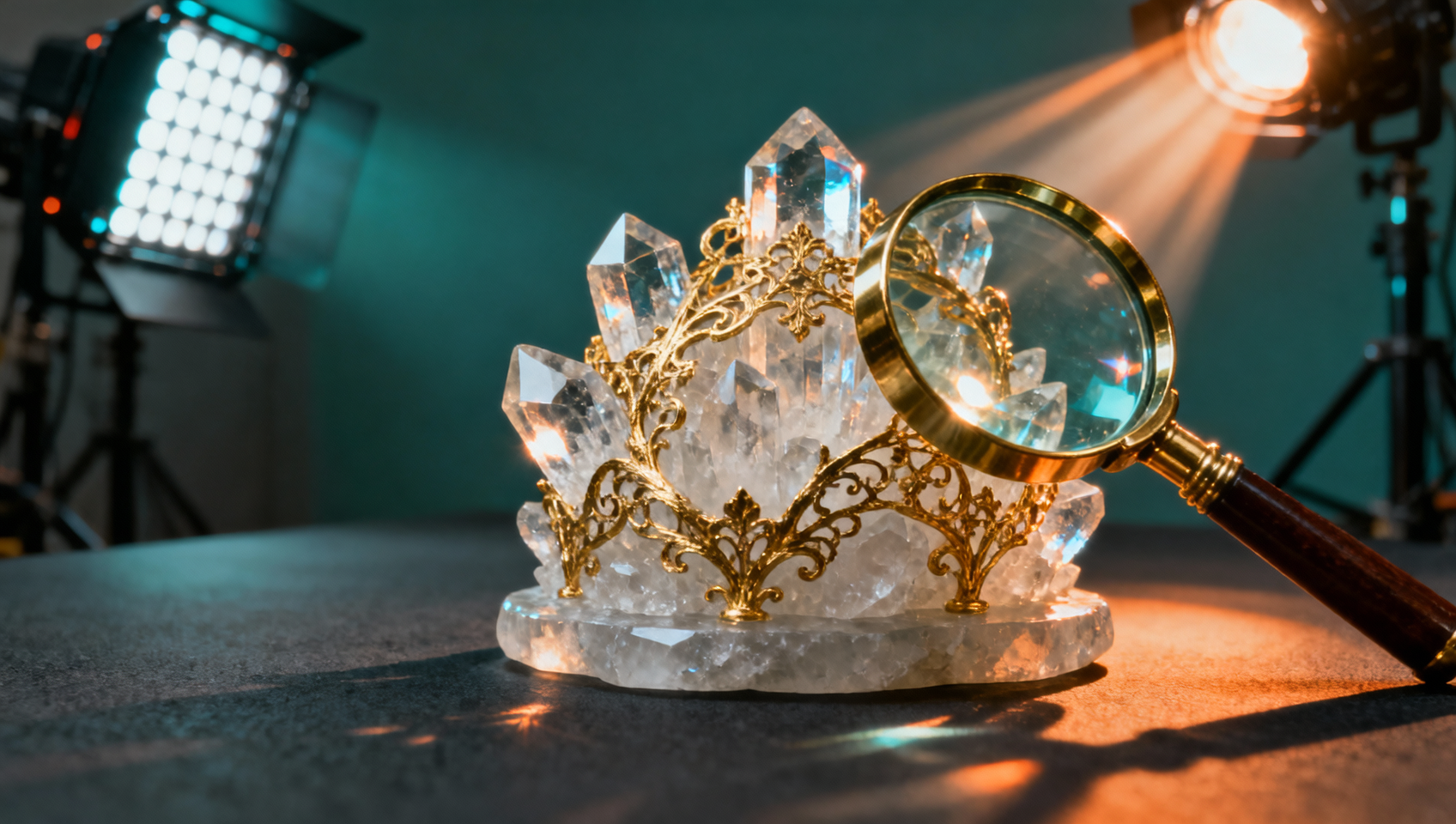
What Competition Judges Actually Score
When analyzing winners from recent global AI art competitions, a clear distinction emerges between casual generation and award-worthy execution. Judges are not simply looking for high-resolution renders or complex lighting. They are evaluating coherence, narrative depth, and technical intentionality. In the context of Midjourney V7, this means the difference between a lucky roll and a engineered outcome.
Many entrants fail because they treat the tool as a slot machine. They input vague concepts and hope for a miracle. Winners, however, treat the prompt as a specification document. They understand that V7 responds differently to structural weighting than previous versions. The judging criteria often hinge on consistency across a series rather than a single standout image. If you submit a portfolio, the stylistic unity matters more than individual flashiness. This requires a disciplined approach to parameters like --sref for style reference and --cref for character consistency.
Another critical factor is the absence of artifacts. V7 has reduced many common errors, but judges still scrutinize hands, text rendering, and logical physics. A winning piece often hides its AI origin through careful inpainting or post-processing. The goal is not to show off what the AI can do, but to hide the fact that AI was used at all. This subtlety is where the real skill lies.
Reusable Prompt Patterns in V7
Successful prompts share a specific anatomy. They are not random strings of adjectives. Based on dissecting winning entries, a reusable pattern emerges that prioritizes subject definition before stylistic modifiers. In V7, the order of tokens influences attention mechanisms more heavily than in V6.
A standard winning structure looks like this:
[Subject Definition] + [Action/Context] + [Lighting/Atmosphere] + [Technical Parameters]
For example, instead of writing "cyberpunk city beautiful," a structured prompt would be:
/imagine prompt: futuristic neo-tokyo street level view, rain slicked pavement reflecting neon signage, cinematic lighting, volumetric fog --ar 16:9 --style raw --v 7
Notice the use of --style raw. This parameter is crucial for competitions because it reduces Midjourney's default aesthetic bias, allowing for more photorealistic or specific artistic directions that don't look like standard AI gloss. Winners often use --s (stylize) values between 250 and 400 to balance creativity with prompt adherence. Going too high on stylization often introduces hallucinations that judges penalize.
Iteration is also part of the pattern. No winner submits their first generation. The pattern involves generating a grid, upscaling the most promising variant, and then using "Vary (Subtle)" or "Vary (Region)" to fix specific flaws. This iterative loop is the secret sauce. It transforms a good base image into a polished final asset.
Mastering AI Image Generation
The core of most competitions remains static imagery. Here, Midjourney V7 excels due to its improved texture understanding and prompt adherence. However, mastering this requires more than just typing. It requires managing aspect ratios and resolution expectations.
For print categories, --ar 4:5 or --ar 3:4 is common. For digital displays, --ar 16:9 dominates. Using the wrong aspect ratio can lead to composition issues where the subject is cropped awkwardly. V7 handles composition better, but physical constraints still apply.
Lighting control is another differentiator. Generic prompts yield generic lighting. Winning prompts specify light sources. Terms like "rembrandt lighting," "volumetric god rays," or "softbox studio lighting" give the model concrete physical references to simulate. In V7, combining these with --style raw yields significantly more controllable results.
Post-generation work is non-negotiable. Even the best V7 output may require minor tweaks in Photoshop or similar tools to fix text or specific details. Judges expect a finished product, not a raw generation. This means color grading, sharpening, and sometimes compositing multiple generations together. The AI is the brush, not the painter.
The Multimodal Context: Video, Music, and Tools
While image generation is the foundation, the competition landscape is shifting toward multimodal entries. AI Video and AI Music categories are growing, and understanding how Midjourney fits into this ecosystem is vital for future-proofing your workflow.
Midjourney images often serve as the starting point for AI video tools. A consistent character generated in V7 using --cref can be animated in downstream video platforms. This pipeline is becoming a standard category in competitions: "Best AI Short Film." The quality of the initial image dictates the quality of the video interpolation. If your base frame flickers or changes style, the video will fail.
Similarly, AI Music categories often require visualizers. High-quality V7 art provides the static backbone for these dynamic audio-visual experiences. The tools themselves are secondary to the artistic vision. Whether you are using external upscalers, video interpolators, or audio generators, the Midjourney output remains the visual anchor.
Integrating these tools requires a centralized workflow. Scattering your generation across disjointed platforms leads to version control nightmares. Using a studio environment that consolidates these capabilities ensures that your image assets remain linked to your video and audio projects. This organization is often what separates professional entries from hobbyist submissions.
Quick Takeaways
Who This Is For
This analysis is designed for digital artists, concept designers, and content creators who want to move beyond experimentation into professional production. If you are entering competitions or building client portfolios, understanding the judging criteria and technical parameters of V7 is essential. It is also for workflow architects looking to integrate Midjourney into a larger multimodal pipeline involving video and audio tools.
Beginners can benefit from the prompt structures, but the real value lies in the iteration strategy. Professionals who treat AI as a collaborative partner rather than a magic button will find the most success. The barrier to entry is low, but the barrier to excellence is high. It requires patience, technical knowledge, and a critical eye.
To implement these strategies effectively, you need a reliable environment that supports rapid iteration without technical friction. Testing different parameters and managing versions is easier when your tools are integrated.
Ready to refine your workflow and test these V7 patterns? Try Midjourney in MidassAI Studio to access a streamlined environment for professional AI art creation.