
Mastering Midjourney Cartoon Style Prompts: A Step-by-Step Guide
Midjourney AI Team · July 23, 2026 · 6 min read
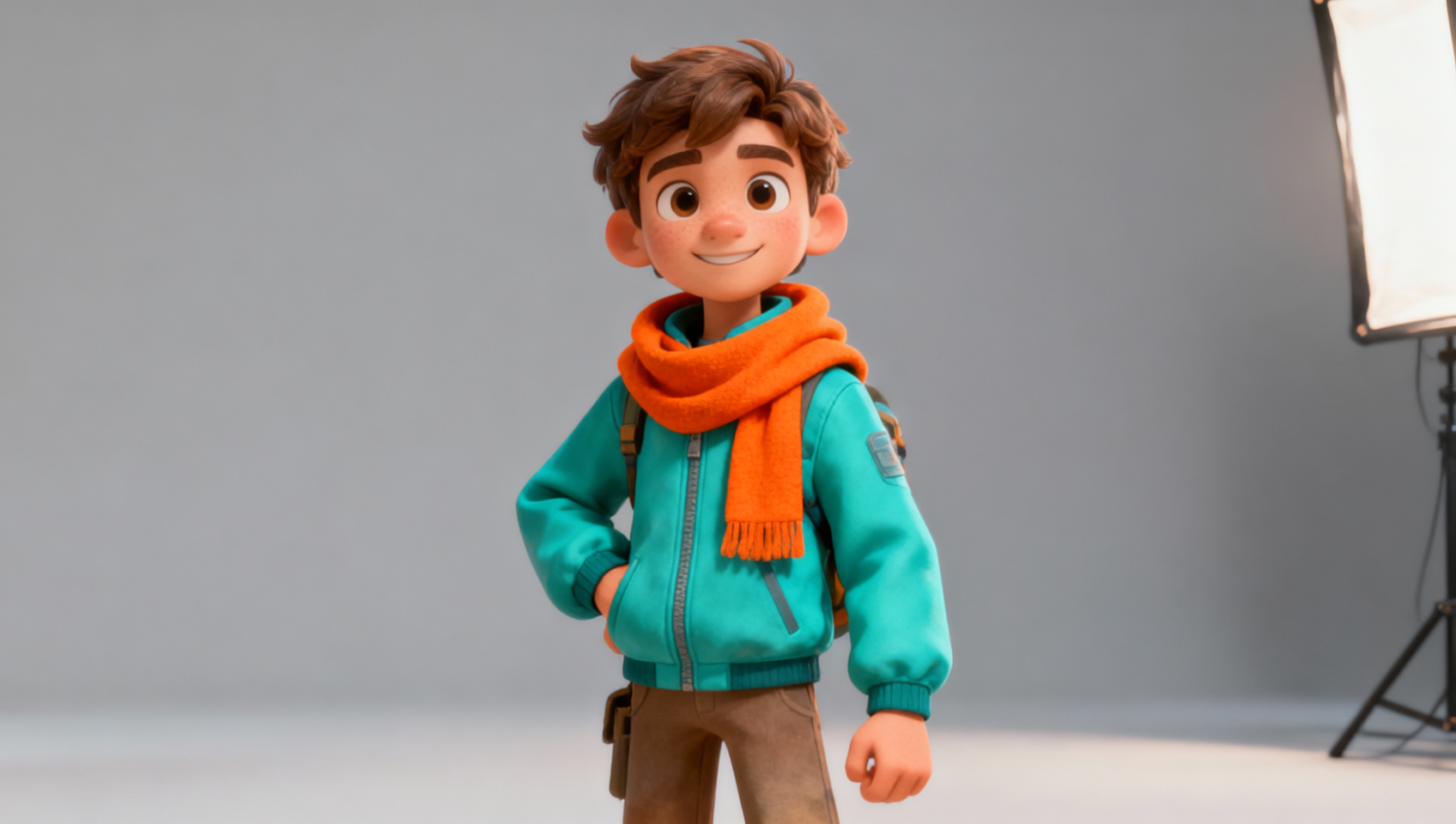
Unlocking Consistent Cartoon Aesthetics in Midjourney
Cartoon styles remain one of the most requested aesthetics in generative AI, spanning everything from mobile game assets to storyboarding for animation. However, achieving a consistent look—from Q-version chibi characters to Disney-esque 3D renders—requires more than just typing "cartoon" into the prompt box. It demands a understanding of lighting, rendering engines, and specific Midjourney parameters that control stylization.
This guide breaks down six high-utility prompt structures that work reliably in version 7. We will also cover how to refine these outputs using advanced parameters and integrate them into a broader production workflow using MidassAI Studio. Whether you are creating assets for a pitch deck or generating cover art for a podcast, mastering these templates will reduce your iteration time significantly.
Who This Is For
This tutorial is designed for visual designers, indie game developers, and content marketers who need scalable image generation. If you are tired of rolling the dice on random outputs and want a repeatable process for character consistency and style fidelity, this workflow is for you. You do not need to be a prompt engineering expert, but you should be comfortable adjusting basic aspect ratios and stylize values.
Quick Takeaways
6 High-Utility Cartoon Style Prompt Templates
Below are six distinct cartoon aesthetics. Each includes the core prompt structure and recommended parameters. You can copy these directly into the Midjourney interface within MidassAI Studio.
1. The Modern 3D Disney Look
This style focuses on soft subsurface scattering, expressive eyes, and cinematic lighting. It is ideal for character concept art.
/imagine prompt: a cute 3D character designer, big expressive eyes, soft studio lighting, Pixar style render, octane render, 8k --v 7 --ar 4:5 --stylize 250
2. Flat Vector Illustration
Perfect for UI icons, landing pages, and corporate blogs. This style removes gradients and focuses on clean shapes.
/imagine prompt: flat vector illustration of a team working, minimal details, solid colors, no gradients, adobe illustrator style --v 7 --ar 16:9 --style raw
3. Q-Version Chibi
Great for stickers and emoticons. The key here is exaggerating the head-to-body ratio.
/imagine prompt: chibi style warrior, huge head, small body, kawaii, white background, sticker design --v 7 --ar 1:1 --stylize 100
4. Comic Book Panel
Use this for storytelling or graphic novels. We emphasize ink lines and halftone patterns.
/imagine prompt: comic book panel, ink lines, halftone dots, dramatic shading, action scene, marvel comics style --v 7 --ar 3:2 --style raw
5. Retro 90s Cartoon
Nostalgic aesthetics are trending. This prompt targets cell shading and limited color palettes.
/imagine prompt: 1990s cartoon style, cell shaded, retro color palette, vhs texture, Saturday morning cartoon --v 7 --ar 16:9 --stylize 400
6. Isometric Game Asset
Technical and precise, suitable for strategy game maps or infographics.
/imagine prompt: isometric view of a fantasy castle, low poly, game asset, white background, blender render --v 7 --ar 1:1 --style raw
Advanced Prompt Engineering for Cartoons
Once you have the base style, you need to control the variability. Midjourney v7 offers several parameters that are critical for cartoon workflows.
Using --style raw
By default, Midjourney applies a heavy layer of artistic interpretation. For cartoon assets that need to match a specific brand guide, --style raw reduces the model's internal bias. It adheres more strictly to your textual description, which is vital when you need a specific color hex or shape language without the AI adding unnecessary noise.
Character Consistency with --cref
One of the biggest hurdles in AI art is keeping a character looking the same across different poses. The --cref (Character Reference) parameter allows you to lock a face or outfit. Generate your base character first, copy the image URL, and append --cref [URL] to subsequent prompts. This works exceptionally well with the 3D Disney and Chibi styles mentioned above.
Style References with --sref
If you have a specific mood board or an existing illustration you want to emulate, use --sref. Instead of describing the style, you provide an image URL. This is powerful for matching a client's existing IP without trying to reverse-engineer the style via text prompts.
Aspect Ratios (--ar)
Cartoons are not one-size-fits-all. Social media stories require --ar 9:16, while YouTube thumbnails perform best at --ar 16:9. Always set your aspect ratio before generating to avoid cropping critical details later.
Common Application Scenarios
Generating the image is only the first step. Here is how these assets fit into a larger production pipeline.
AI Image Production
The most direct use case is generating marketing assets. Flat vector illustrations can be scaled infinitely for web use without losing quality. When working in MidassAI Studio, you can batch generate variations of a single concept, selecting the best candidates for final vectorization in software like Illustrator.
AI Video Workflows
Static cartoon images are increasingly used as source material for AI video tools. By generating a consistent character sheet using the methods above, you can upload those images to video generation models to create animated shorts. The key is ensuring the initial Midjourney output has clean edges and consistent lighting, which reduces artifacts when the image is animated.
AI Music and Podcasting
Cover art defines the first impression for audio content. A unique cartoon mascot generated in Midjourney can become the face of a podcast series. Using the --cref parameter, you can update the cover art for different episodes while keeping the main character recognizable, building brand equity over time.
Integration with AI Tools
MidassAI Studio streamlines this process by housing the generation tools alongside editing capabilities. Instead of switching between Discord, a file manager, and an editor, you can iterate on prompts and organize assets in one dashboard. This reduces context switching and keeps your project files organized.
Optimizing Your Workflow in MidassAI Studio
To maximize efficiency, avoid generating images one by one in isolation. Use the studio environment to manage your prompt library. Save the six templates provided above as snippets. When starting a new project, duplicate the snippet and adjust only the subject matter while keeping the style parameters intact.
Furthermore, leverage the upscaling features within the studio. Cartoon lines often benefit from moderate upscaling to sharpen edges before being handed off to a human designer for final cleanup. Remember that AI is a co-pilot; the best results come from combining the speed of Midjourney with human curation.
Final Thoughts
Mastering cartoon styles in Midjourney is about balancing creative description with technical constraints. By utilizing parameters like --style raw and --cref, you move from random generation to intentional design. The templates provided here offer a solid foundation, but experimentation is key. Adjust the stylize values to see how much artistic liberty the model takes, and always keep your end-use case in mind when selecting aspect ratios.
Ready to streamline your creation process? Access the full power of these tools without the setup hassle.
Try Midjourney in MidassAI Studio to start generating professional cartoon assets today.