
Midjourney Prompt Guide: Creating Lino Cut Textures
Midjourney AI Team · July 23, 2026 · 7 min read
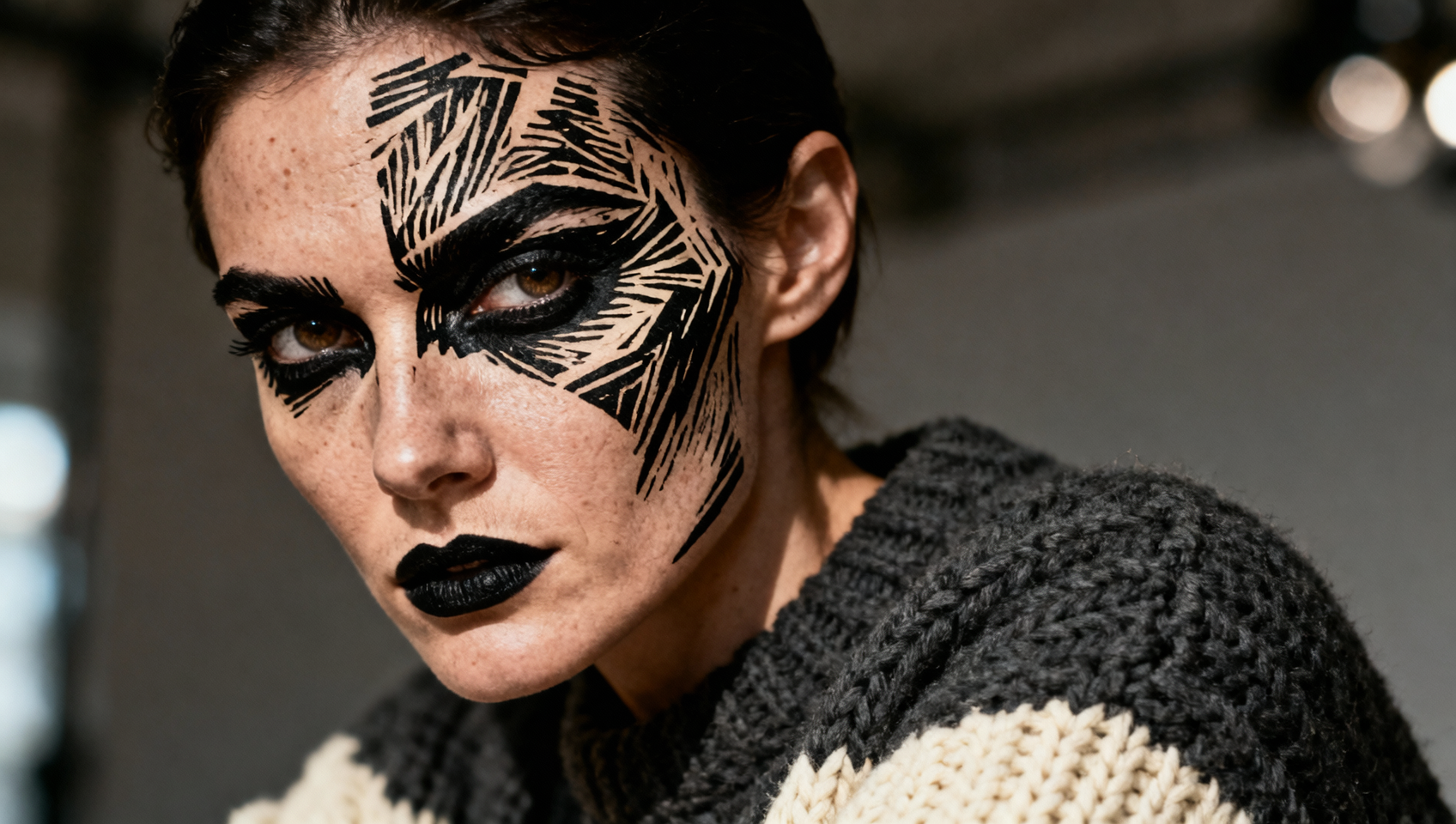
Understanding the Lino Cut Aesthetic in AI
Lino cut, or linocut, is a printmaking technique where a sheet of linoleum is carved to create a relief surface. When inked and pressed onto paper, it produces bold lines, high contrast, and a distinct organic texture that digital vectors often struggle to replicate authentically. In Midjourney, achieving this look requires more than just typing "print." You need to specify the material qualities—the ink bleed, the paper grain, and the limitation of color planes.
This guide breaks down the specific syntax required to generate convincing lino cut textures. We will cover a universal formula, dissect a complex example involving the Eiffel Tower, and provide ten ready-to-use prompts for landmarks and portraits. Whether you are designing album covers, book illustrations, or stylistic assets for video projects, mastering this style adds a tactile, human element to your AI-generated work.
Who This Guide Is For
This workflow is designed for illustrators, graphic designers, and content creators who need consistent, stylized assets without manual vector tracing. It is particularly useful for those building brand identities that require a handcrafted feel or educators creating visual materials that benefit from high-contrast clarity. If you are familiar with basic Midjourney commands but want to move beyond generic photorealism into specific artistic mediums, this breakdown will refine your output.
The Universal Lino Cut Formula
Consistency in AI art comes from structuring your prompts logically. For printmaking styles, the order of operations matters. Midjourney weighs the beginning of the prompt heavier than the end. To secure the texture, place the medium definition early, followed by the subject, and finish with technical parameters.
The Structure:
[Subject Description] + [Medium & Style Modifiers] + [Color Palette] + [Lighting/Composition] + [Parameters]
Key Modifiers for Printmaking:
- Medium:
lino cut,woodblock print,relief print,ink on paper. - Texture:
rough grain,ink bleed,carved lines,handmade paper texture. - Color:
monochrome,two-tone,black and red ink,limited color palette. - Parameters:
--style rawis crucial here. It reduces Midjourney's default beauty bias, allowing the rougher, imperfect edges of a print to come through.--v 7offers improved texture comprehension.
Avoid over-loading the prompt with lighting terms like "cinematic lighting" or "octane render," as these push the model toward 3D realism rather than flat print aesthetics. Instead, use terms like "flat lighting" or "high contrast."
Deep Dive: Constructing the Eiffel Tower Prompt
Let's apply the formula to a complex architectural subject. The Eiffel Tower has intricate latticework that can easily become muddy in a low-resolution print style. We need to ensure the lines remain distinct.
Prompt:
/imagine prompt: Eiffel Tower intricate latticework, lino cut print style, bold carved lines, black ink on textured handmade paper, slight ink bleed, vintage travel poster aesthetic, high contrast, minimal detail --ar 3:4 --style raw --v 7 --s 250
Why This Works:
- Subject Clarity: "Intricate latticework" tells the AI to focus on the structure's geometry.
- Medium Specificity: "Lino cut print style" combined with "bold carved lines" prevents the AI from generating a photograph of the tower with a filter applied. It forces the generation to simulate the carving process.
- Texture Layers: "Textured handmade paper" and "slight ink bleed" add the imperfections that signal authenticity. Perfectly clean edges look digital; slight bleeding looks printed.
- Parameters:
--style rawensures the composition doesn't become overly polished.--s 250(stylize) keeps the artistic interpretation moderate so the structure remains recognizable.
When testing this in MidassAI Studio, you may find variations where the ink is too heavy. If the lines merge, increase the contrast description or add "white background" to clarify the negative space.
10 Ready-to-Use Lino Cut Prompts
Below are ten variations covering landmarks and portraits. You can copy these directly into the Midjourney interface. Adjust the aspect ratio (--ar) based on your layout needs.
- Great Wall of China:
Great Wall of China winding through mountains, lino cut print, rough hewn texture, black and red ink, traditional chinese printmaking style, bold outlines --ar 16:9 --style raw --v 7 - Taj Mahal:
Taj Mahal symmetrical architecture, woodblock print aesthetic, white ink on dark blue paper, negative space carving, minimalistic --ar 3:4 --style raw --v 7 - Albert Einstein Portrait:
Portrait of Albert Einstein, linocut style, heavy shadow carving, expressive lines, monochrome ink, paper grain visible --ar 1:1 --style raw --v 7 - Vintage Bicycle:
Classic vintage bicycle, relief print, single color orange ink, distressed texture, poster art style --ar 3:4 --style raw --v 7 - Mountain Landscape:
Rugged mountain range, scandinavian woodcut style, pine trees in foreground, stark black and white, high contrast --ar 16:9 --style raw --v 7 - Coffee Cup Still Life:
Steaming coffee cup on saucer, lino cut illustration, cozy atmosphere, thick lines, hand printed look --ar 1:1 --style raw --v 7 - Owl Portrait:
Close up of an owl face, intricate feather details, wood engraving style, fine lines, black ink on cream paper --ar 3:4 --style raw --v 7 - City Skyline:
New York City skyline, silhouette lino cut, sunset gradient using two tones, urban printmaking --ar 16:9 --style raw --v 7 - Botanical Leaf:
Monstera leaf detailed veins, botanical print style, green and black ink, scientific illustration aesthetic --ar 3:4 --style raw --v 7 - Abstract Geometry:
Abstract geometric shapes, constructivist lino cut, sharp angles, red and black ink, propaganda poster style --ar 1:1 --style raw --v 7
Quick Takeaways
Technical Parameters and Variation Control
While the prompt text drives the content, parameters control the execution. For lino cuts, --style raw is non-negotiable if you want to avoid the glossy Midjourney default look. However, you should also experiment with --stylize (--s).
- Low Stylize (--s 50 to 150): Adheres strictly to your prompt. Good for specific architectural accuracy.
- High Stylize (--s 300 to 750): More artistic interpretation. Better for abstract or loose artistic pieces where accuracy is less critical than mood.
Use --v 7 for the latest texture comprehension. If you find the textures are too noisy, try adding --clean (if available in your version) or simply reinforce "clean lines" in the prompt text. For consistent character work across multiple prints, utilize --cref (Character Reference) with a base lino cut image to maintain stylistic continuity.
Integrating Assets into Broader AI Workflows
Generating the image is often just the first step. In a professional production environment, these static assets feed into larger multimedia projects.
- AI Video: Use your lino cut images as input for image-to-video models. The high contrast and distinct lines often translate well into stylized motion, preventing the "morphing" artifacts common in photorealistic video generation.
- AI Music: If you are creating album art, the visual texture should match the audio fidelity. A rough lino cut suggests lo-fi, acoustic, or vintage jazz genres. Use this visual cue to guide your AI music generation prompts.
- AI Tools: Post-process your generations in vector software if you need scalability. While Midjourney outputs raster images, the bold lines of a lino cut are easier to auto-vectorize than complex photos.
By viewing your Midjourney outputs as assets within a pipeline rather than final endpoints, you increase their utility. You might generate a series of lino cut icons in MidassAI Studio, animate them for a title sequence, and pair them with generative audio for a cohesive brand package.
Finalizing Your Print Style Workflow
Achieving a convincing lino cut texture requires iteration. Do not expect perfection on the first roll. Generate a grid, identify which seed produces the best ink distribution, and vary from there. Save your successful prompts with their seed numbers.
For a streamlined experience that integrates these generation capabilities directly into your production dashboard, utilize the dedicated studio environment. It allows for faster iteration and easier management of your style references.
Ready to start creating high-fidelity print assets?