
Midjourney Prompt Guide: Yarn Pet Style Tutorial
Midjourney AI Team · July 23, 2026 · 7 min read
Who This Guide Is For
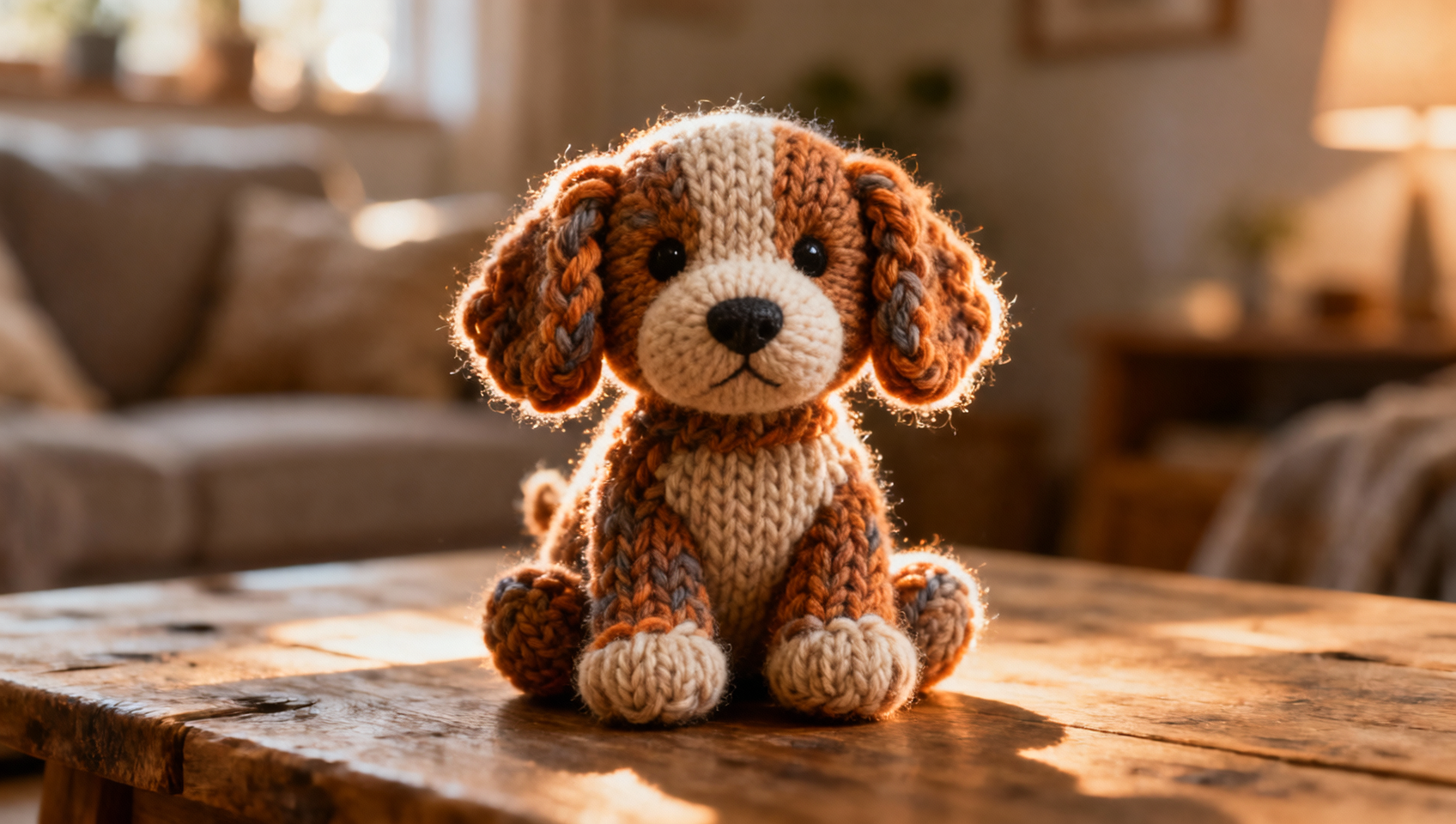
Creating convincing textile aesthetics in generative AI requires more than just typing "knitted." You need to understand how light interacts with fiber, how tension affects shape, and how to communicate tactile warmth through text. This guide is designed for digital artists, content creators, and designers who want to produce high-fidelity yarn-style pet characters using Midjourney. Whether you are building assets for a children's book, designing stickers, or prototyping characters for animation, mastering this specific niche will set your portfolio apart.
We will break down the exact syntax needed to achieve soft, plush, and handcrafted looks without falling into the uncanny valley of melted wool or plastic-like fibers. You will learn how to leverage Midjourney's latest versioning and style parameters to maintain consistency across a series of images. All workflows mentioned here can be tested directly within MidassAI Studio, where you can manage your generations and iterate faster.
The Core Prompt Template
To generate a reliable yarn pet, you need a structured prompt that prioritizes material definition before subject matter. A common mistake is focusing too heavily on the animal type while neglecting the medium. The following template serves as a robust starting point. It separates the subject, the material, the lighting, and the technical parameters.
/imagine prompt: a cute [animal type] made entirely of colorful yarn, knitted texture, visible wool fibers, soft lighting, macro photography, handmade aesthetic --style raw --v 7 --ar 4:5
Replace [animal type] with your subject, such as "corgi," "kitten," or "dragon." The phrase "made entirely of colorful yarn" is crucial. It tells the model to replace skin and fur with textile structures. Adding "visible wool fibers" ensures the renderer does not smooth out the texture into a plastic look. The --style raw parameter is essential here. It reduces Midjourney's default beautification filters, allowing the rougher, authentic texture of the yarn to remain visible rather than being airbrushed into perfection.
When using this template, consider the color palette explicitly. Yarn art relies heavily on color blocking. You might specify "pastel blue and white yarn" or "variegated wool threads." Specificity here prevents the AI from generating muddy, indistinct colors that ruin the handcrafted illusion.
Keyword Deep Dive: Texture and Light
The difference between a good generation and a great one often lies in the secondary keywords. You need to describe not just what the object is, but how it feels. For yarn pets, tactile adjectives are your most powerful tools.
Texture Keywords:
- Knitted: Implies interlocking loops, good for structured shapes.
- Crocheted: Suggests a tighter, knot-based texture, often better for detailed limbs.
- Felted: Creates a smoother, matted wool look, less defined loops.
- Unraveling: Adds a sense of movement or imperfection, great for dynamic shots.
- Chunky Wool: Implies thick yarn, suitable for larger, cuddlier looking pets.
Lighting and Camera:
Lighting must be soft to enhance the cozy atmosphere. Harsh shadows make yarn look like wire. Use keywords like "diffused lighting," "softbox," or "window light." For camera settings, "macro photography" is key. It forces the AI to focus on the fine details of the fibers. A shallow depth of field (bokeh) helps isolate the pet from the background, emphasizing the texture.
Composition: Avoid full-body shots initially if you are struggling with paw details. Close-ups on the face allow the AI to devote more pixel density to the eyes and snout texture. Once you have a consistent face, you can zoom out. Always check the eyes; in yarn styles, eyes are often beads or buttons. Specify "button eyes" or "bead eyes" to avoid generating realistic animal eyes which clash with the textile body.
Quick Takeaways
Advanced Parameters and Versioning
Midjourney evolves rapidly, and parameters shift with each version. Currently, --v 7 offers superior coherence in complex textures compared to earlier versions. When working with yarn, consistency is often a challenge. You might generate a perfect cat, but the next image looks like a different breed made of different wool.
To solve this, use Style References (--sref). Once you generate an image with the perfect wool texture and color palette, copy its URL. Append --sref [URL] to your subsequent prompts. This locks the aesthetic style while allowing you to change the pose or animal type. Character References (--cref) are less effective for texture but can help maintain the shape of a specific custom character across different scenes.
Aspect ratio (--ar) also influences the outcome. Vertical ratios like --ar 4:5 or --ar 9:16 work best for portraits and mobile wallpapers. Horizontal ratios like --ar 16:9 are better for scene-based images where the pet is interacting with a knitted environment, such as a yarn ball landscape. Avoid square ratios unless you are specifically designing for Instagram grids, as they sometimes compress the detail of the fibers.
Expanding Beyond Static Images
The utility of yarn pet assets extends far beyond static wallpapers. Once you have a library of consistent characters, you can integrate them into broader multimedia projects.
AI Video: Static yarn pets can be animated using video generation tools. By feeding your Midjourney output into video AI models, you can create subtle movements like blinking button eyes or a wagging tail. The prompt structure remains similar, but you must ensure the texture holds up under motion. Consistent lighting in the base image is critical to prevent flickering textures in the video output.
AI Music: Ambience matters. If you are creating a brand or a story around these pets, the audio should match the visual warmth. Generative music tools can create cozy, lo-fi beats or soft acoustic tracks that complement the handmade visual style. Think of the audio as the auditory equivalent of wool—soft, warm, and comforting.
AI Tools and Integration:
Managing these assets requires organization. MidassAI Studio provides a centralized environment where you can store your prompt variations, reference images, and final outputs. Instead of juggling multiple discord channels or external folders, you can streamline the workflow from generation to publication. This is particularly useful when iterating on a series where you need to track which --sref URL produced the best wool consistency.
Commercial Applications: These assets are highly marketable. They work well for sticker packs, greeting cards, and social media avatars. The handmade aesthetic resonates strongly with audiences looking for authenticity in a digital space. By refining your prompt engineering, you can produce assets that look physically crafted, adding perceived value to digital products.
Finalizing Your Workflow
Achieving the perfect yarn pet is an iterative process. Your first generation will rarely be perfect. You may need to adjust the "chunkiness" of the wool or correct the shape of the ears. Use the Variations feature sparingly; often, rewriting the prompt with more specific texture descriptors yields better results than rolling the dice on variations.
Remember to upscale your favorite images to capture the fine fiber details. A low-resolution yarn pet looks like a blur; a high-resolution one looks like a photograph of a real object. When you are ready to scale your production or collaborate with a team, moving your workflow to a dedicated studio environment ensures you maintain version control and asset quality.
For a streamlined experience that supports these advanced Midjourney workflows, explore the dedicated tools available online. You can experiment with these prompts and manage your gallery efficiently by using the integrated studio environment.
Try Midjourney in MidassAI Studio to start building your yarn pet collection today.