
prompt-engineering
20 Curated Midjourney Prompts: Epic Fantasy to Cyber Style
Midjourney AI Team · July 23, 2026 · 7 min read
Keywords: midjourney prompts, ai image generation, midassai studio
Published: July 23, 2026 Author: Midjourney AI Team
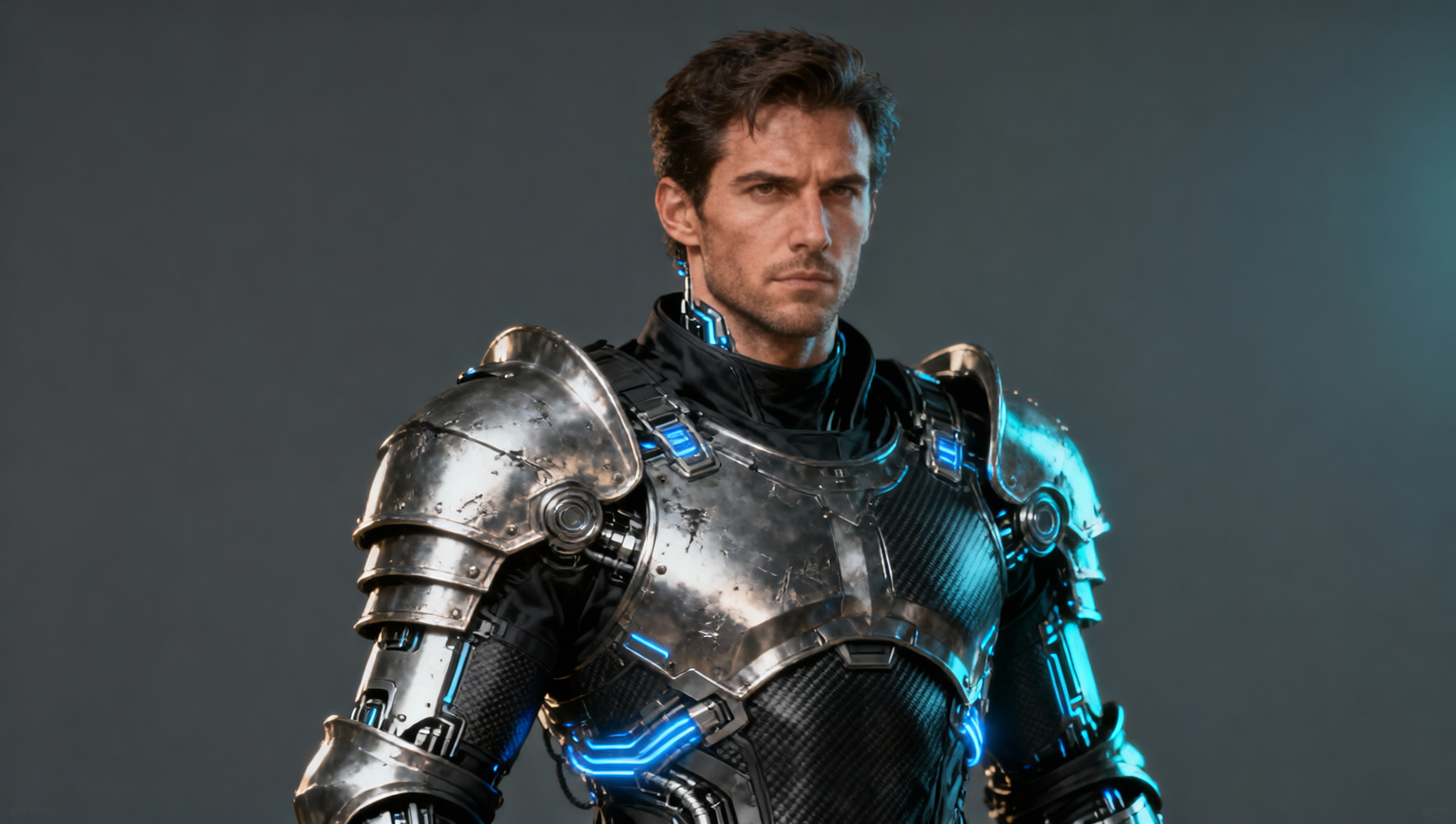
Who This Guide Is For
This collection is designed for digital artists, concept designers, and content creators who need reliable starting points for generative workflows. If you are tired of guessing parameters or struggling with inconsistent lighting, these 20 prompts provide a structured foundation. We focus on practical syntax using Midjourney version 7 standards, ensuring compatibility with current model behaviors. Whether you are building assets for a game, creating social media visuals, or experimenting with style transfer, these examples bridge the gap between abstract ideas and executable commands.
Epic Fantasy and Minimal Graphics
High fantasy requires grand scale, while minimal graphics demand restraint. The key difference lies in texture density and lighting complexity. For fantasy, we push the model toward intricate details using descriptive adjectives. For minimalism, we reduce noise by specifying flat colors or vector styles.
- Epic Castle:
/imagine prompt: ancient castle on floating island, volumetric fog, golden hour lighting, intricate stone carvings --ar 16:9 --v 7 --style raw - Minimal Mountain:
/imagine prompt: single mountain peak, flat vector illustration, pastel colors, white background, no shadows --ar 4:5 --v 7 - Fantasy Warrior:
/imagine prompt: armored knight standing in rain, neon rune glowing on sword, cinematic depth of field --ar 3:4 --v 7 --s 250 - Minimal Logo:
/imagine prompt: geometric fox head logo, single line art, black and white, minimalist design --ar 1:1 --v 7
When working with fantasy scenes, the --style raw parameter is crucial. It reduces the model's tendency to over-beautify the image, allowing for grittier, more realistic textures. For minimal graphics, avoid lighting descriptors like "cinematic" or "volumetric," as these introduce unwanted gradients.
Silhouettes and Mood
Silhouette work relies entirely on contrast. The subject must be distinct against the background without relying on internal detail. This is excellent for book covers or atmospheric mood boards.
- Witch Silhouette:
/imagine prompt: silhouette of a witch on a broomstick, full moon background, dark blue sky, high contrast --ar 16:9 --v 7 - Flame Figure:
/imagine prompt: human figure made entirely of fire, dark void background, embers floating, intense glow --ar 3:4 --v 7 --s 400 - Forest Mood:
/imagine prompt: silhouette of dense pine trees, foggy morning, grey and teal palette, mysterious atmosphere --ar 16:9 --v 7 - City Skyline:
/imagine prompt: cyberpunk city skyline silhouette, neon purple and orange gradient sky, rain reflections --ar 21:9 --v 7
To achieve clean edges in silhouettes, increase the stylize value (--s) slightly. This encourages the model to commit to the artistic interpretation rather than photorealism. For the flame figure, specifying "dark void background" ensures the fire remains the only light source, preventing the model from adding ambient light that washes out the effect.
3D Cartoon and Wildlife
Creating 3D-style assets requires specific rendering engine keywords. Wildlife prompts need attention to fur texture and eye reflection to avoid the "plastic" look common in early AI generations.
- Pixar Broccoli:
/imagine prompt: cute broccoli character, 3d render, pixar style, soft studio lighting, expressive eyes --ar 1:1 --v 7 - Snow Eagle:
/imagine prompt: bald eagle flying in snowstorm, hyperrealistic feathers, icy blue tones, sharp focus --ar 16:9 --v 7 - Cartoon Car:
/imagine prompt: retro futuristic car, 3d blender render, clay material, isometric view --ar 4:3 --v 7 - Wolf Portrait:
/imagine prompt: close up wolf face, golden eyes, snowflakes on fur, national geographic photography style --ar 3:4 --v 7
For 3D cartoons, keywords like "blender render" or "clay material" signal the geometry type. For wildlife, referencing photography styles (e.g., "national geographic") helps anchor the texture quality. Version 7 handles fur dynamics significantly better than previous iterations, but explicit lighting directions like "soft studio lighting" prevent harsh shadows on cartoon characters.
Chinese Style and Cybernetics
Merging traditional aesthetics with futuristic elements creates a unique visual tension. Chinese ink styles require brush stroke specifications, while cybernetics need metallic texture definitions.
- Ink Horse:
/imagine prompt: chinese ink wash painting of a horse, dynamic brush strokes, white space, traditional seal stamp --ar 3:4 --v 7 --style raw - Cyber Eye:
/imagine prompt: macro shot of a human eye with cybernetic implants, circuitry details, iris glowing blue --ar 1:1 --v 7 - Dragon Cloud:
/imagine prompt: traditional chinese dragon weaving through clouds, gold and red palette, intricate scales --ar 16:9 --v 7 - Neon Samurai:
/imagine prompt: samurai warrior with holographic armor, tokyo street background, night time, rain --ar 9:16 --v 7
Ink wash prompts benefit from --style raw to preserve the intentional imperfections of brushwork. Without it, the model might smooth out the strokes into digital paint. For cybernetics, specify the material ("holographic," "circuitry") to differentiate between metal and light projections.
Romantic Covers and Still Life
Book covers and decorative art require specific aspect ratios and composition rules. Still life needs careful control over object placement to avoid clutter.
- Rose Locomotive:
/imagine prompt: steam locomotive made of red roses and vines, fantasy surrealism, soft dreamy lighting --ar 2:3 --v 7 - Romantic Cover:
/imagine prompt: couple dancing under stars, oil painting style, warm colors, text space at top --ar 2:3 --v 7 - Ceramic Vase:
/imagine prompt: minimalist ceramic vase with dried flowers, sunlight shadow on white wall, interior design magazine style --ar 4:5 --v 7 - Crystal Fruit:
/imagine prompt: bowl of fruit made of cracked crystal, refraction lighting, dark background, macro photography --ar 1:1 --v 7
Book covers typically use 2:3 or 3:4 aspect ratios. Always leave "text space" in the prompt if you plan to add typography later. For still life, lighting is the primary driver of mood. "Sunlight shadow" creates depth, while "refraction lighting" emphasizes material properties like glass or crystal.
Quick Takeaways
Mastering Parameters for Consistency
The prompts above rely on specific parameters to function correctly. Understanding these switches allows you to modify the examples for your own needs. The --ar flag controls the aspect ratio. Use --ar 16:9 for wallpapers and --ar 2:3 for posters. The --v 7 flag ensures you are using the latest model version, which handles complex lighting and text integration better than v6.
For style consistency across multiple images, use --sref with a reference image URL. This is vital when creating a series of assets that need to look like they belong to the same project. If you are trying to maintain character consistency, --cref is the appropriate tool. However, for general stylistic cohesion, --style raw combined with a high stylize value (--s 750) often yields the most artistic results without drifting too far from the prompt.
Executing Workflows in MidassAI Studio
Running these prompts locally or via Discord can be fragmented. MidassAI Studio consolidates the generation process into a unified workspace. When you input these prompts into the studio, you gain access to version control and asset management immediately. You can iterate on the "Snow Eagle" prompt, save the best variations, and export them directly for use in your design pipeline.
The studio environment also reduces latency compared to public queues. This is critical when you are testing variations of the "Cyber Eye" or adjusting the lighting on the "Rose Locomotive." Faster iteration means you spend less time waiting and more time refining the creative direction. Integrating these prompts into a structured workflow allows teams to collaborate on style guides without losing track of successful parameter combinations.
Moving From Generation to Production
Generating the image is only the first step. Professional use requires upscaling and sometimes in-painting to fix minor artifacts. Midjourney v7 has reduced the need for heavy post-processing, but checking edges on silhouettes and text legibility on covers is still necessary. Use the variation tools within the studio to tweak specific regions rather than regenerating the entire image.
By categorizing your prompts into styles like Epic Fantasy or Minimal Graphics, you build a personal library of reliable commands. This reduces the cognitive load during production crunches. Instead of engineering a prompt from scratch, you adapt the "Minimal Mountain" template to fit a new subject. This systematic approach scales better than relying on random chance.
Start testing these structures today. Adjust the lighting descriptors to match your brand palette and swap the subjects while keeping the parameter skeleton intact. Consistent output comes from consistent input structures.
Try Midjourney in MidassAI Studio to streamline your generation workflow and access these tools within a professional environment.