
midjourney
How to Create a Textured Blossoms Shanghai Style in Midjourney | Complete Prompt Guide
Midjourney AI Team · July 23, 2026 · 7 min read
Keywords: midjourney blossoms shanghai, wang kar-wai style prompt
Published: July 23, 2026 Author: Midjourney AI Team
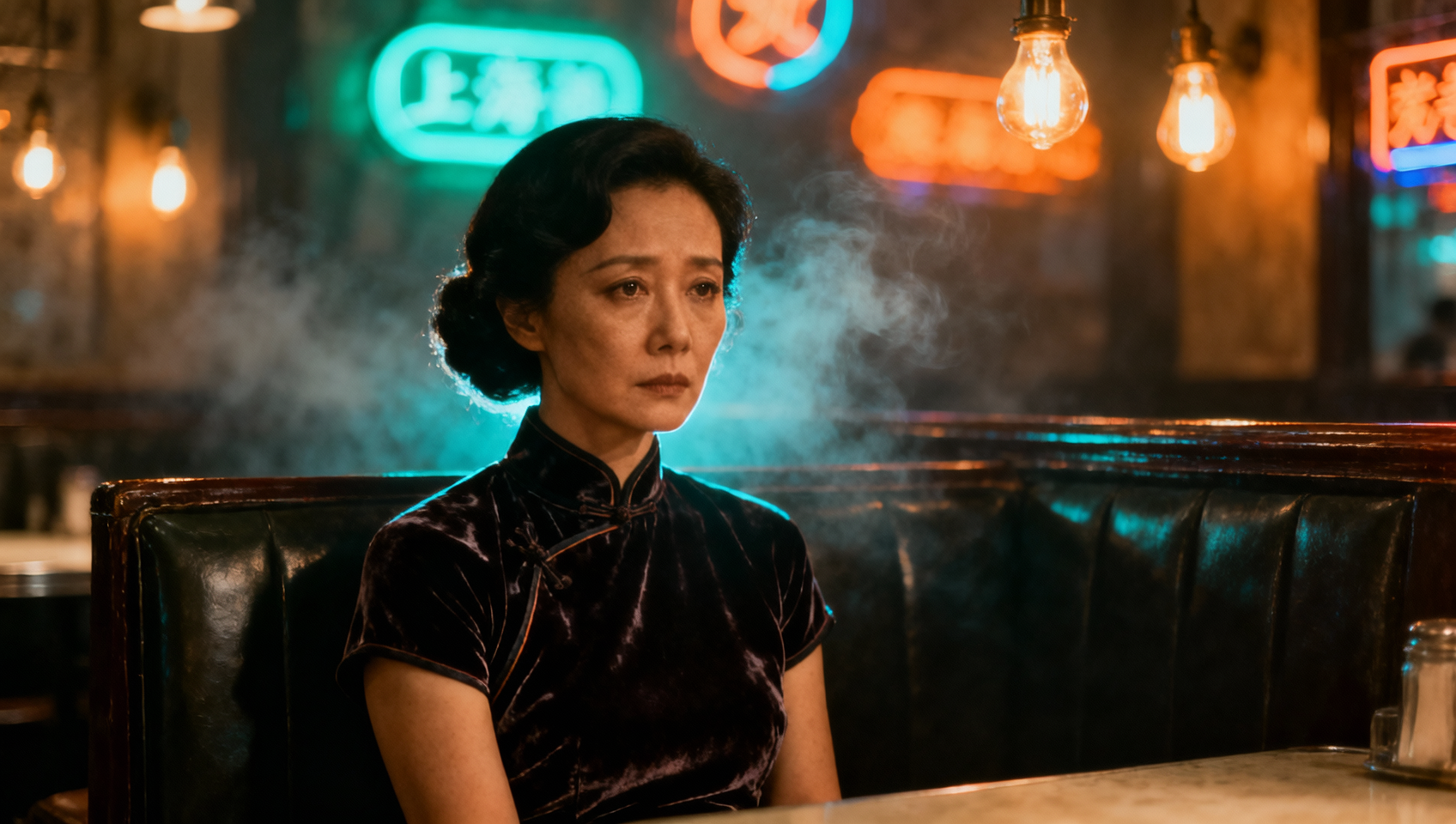
Decoding the Cinematic Aesthetic of 90s Shanghai
The visual language of the series "Blossoms Shanghai" is not merely a filter; it is a meticulous reconstruction of memory through light and shadow. Directed with the signature flair of Wong Kar-wai, the show relies on a specific texture that feels oily, transparent, and deeply nostalgic. For digital artists and prompt engineers, replicating this look in Midjourney requires more than typing "90s Shanghai." It demands an understanding of how light interacts with smoke, glass, and skin in low-key environments.
This guide is for creators who want to move beyond generic cinematic prompts. Whether you are creating concept art for a period piece, designing marketing visuals with a retro vibe, or simply exploring the limits of Midjourney's lighting engine, this breakdown provides the technical scaffolding you need. We will dissect the prompt structure into lighting, composition, and texture, ensuring you can generate consistent, high-fidelity results that capture that specific amber-cyan mood.
Mastering the Lighting: Rembrandt and Neon
The backbone of the "Blossoms" aesthetic is its lighting strategy. Standard three-point lighting will flatten the image and destroy the mood. You need to instruct Midjourney to prioritize high-contrast scenarios where shadows are as important as highlights.
The primary keyword here is Rembrandt lighting. This technique creates a triangle of light on the subject's cheek, surrounded by deep shadow. In the context of 90s Shanghai, this light often comes from practical sources within the scene—neon signs, cigarette glows, or dim tungsten lamps. When writing your prompt, avoid generic terms like "bright" or "clear." Instead, use descriptors that imply resistance and diffusion.
Key lighting parameters to include in your prompt string:
chiaroscuro: Defines strong contrasts between light and dark.volumetric lighting: Adds depth through visible light beams, often cutting through smoke or haze.neon reflection: Crucial for the wet streets and glass surfaces typical of the show.low key lighting: Ensures the overall exposure remains dark and moody.
In Midjourney v7, the engine handles complex light bounces significantly better than previous versions. However, you must explicitly state the light source. A prompt like "woman standing in street" will fail. A prompt like "woman standing under flickering neon sign, rain-slicked pavement reflecting red and green light" gives the AI the physical data it needs to render the scene correctly.
Composition and Depth: The Foreground Occlusion Technique
Wong Kar-wai's cinematography frequently uses foreground elements to frame the subject. This creates a sense of voyeurism, as if the viewer is peeking into a private moment. In Midjourney, achieving this requires specific compositional commands that force the AI to layer elements.
The technique is known as foreground occlusion. You need to place an object between the camera and the subject. This could be a rain-streaked window, a smoke-filled glass, or the edge of a doorframe. This adds immediate depth and prevents the image from looking like a flat digital illustration.
To execute this in your prompts, use phrases like:
shot through rain-covered glassforeground bokeh of cigarette smokeframed by dark doorframeshallow depth of field
Combining these with aspect ratio parameters is vital. The show often utilizes widescreen cinematic ratios. Using --ar 16:9 or --ar 2.35:1 helps crop the image in a way that feels like a film still rather than a social media post. When you combine foreground occlusion with a wide aspect ratio, you force the AI to distribute visual weight across the frame, enhancing the narrative quality of the image.
Texture and Film Stock: Achieving the Oily Look
The "oily" texture mentioned in the show's critique refers to the specific way film grain interacts with high-contrast colors. Digital cleanliness is the enemy here. You need to simulate the imperfections of 90s film stock. Midjourney responds well to specific film emulation keywords that trigger texture libraries within its training data.
Avoid terms like "4k" or "hyper-realistic" as they often push the image toward a sterile, CGI look. Instead, reference specific film stocks known for their color rendition in low light. Kodak Portra 400 or Fujifilm Superia are excellent starting points. You also want to introduce noise.
Essential texture keywords:
film grain: Adds the necessary noise structure.color graded: Implies post-processing has occurred.amber and cyan tones: Defines the specific color palette of the show.slight motion blur: Suggests life and movement, reducing static perfection.
Using the --style raw parameter is highly recommended here. Standard Midjourney stylization often beautifies images too much, smoothing out the grain we are trying to preserve. --style raw adheres more closely to your prompt text, allowing you to demand grit and noise without the AI sanitizing it.
Complete Case Study: Prompt Breakdown
Let us assemble these elements into a functional prompt. Below is a complete example designed to generate a character portrait in the "Blossoms" style. You can copy this directly into MidassAI Studio to test the workflow.
The Prompt:
/imagine prompt: 1990s Shanghai street night, woman in red cheongsam standing under flickering neon sign, rain-slicked pavement reflecting red and green light, shot through rain-covered glass, foreground bokeh of cigarette smoke, Rembrandt lighting, chiaroscuro, amber and cyan tones, Kodak Portra 400, film grain, slight motion blur, cinematic composition --ar 16:9 --style raw --v 7 --s 250
Segment Analysis:
- Subject & Setting:
1990s Shanghai street night, woman in red cheongsam...establishes the era and focal point. - Lighting:
...flickering neon sign, rain-slicked pavement reflecting...defines the light sources and surface interactions. - Composition:
...shot through rain-covered glass, foreground bokeh...creates the layers and depth. - Texture:
...Kodak Portra 400, film grain...ensures the output looks like film, not digital art. - Parameters:
--ar 16:9sets the cinematic frame.--style rawprevents over-beautification.--v 7utilizes the latest lighting engine.--s 250keeps stylization moderate to maintain prompt adherence.
Quick Takeaways
Advanced Tuning and Variations
Once you have the base prompt working, you will want to create variations without losing the core aesthetic. The key is to swap out specific variables while keeping the structural keywords intact. If you want a male subject, change the character description but keep the lighting and texture keywords identical. This ensures the "look" remains consistent across a series of images.
You can also experiment with the --sref (style reference) parameter. If you generate one image that perfectly captures the color grading you want, use its URL as a style reference for subsequent prompts. This locks in the color palette and grain structure even if you change the subject matter entirely. For example, --sref [URL] will apply the "Blossoms" color grade to a completely different scene, such as a 1990s office or a taxi interior.
Remember that consistency comes from constraint. Do not change too many variables at once. If the lighting is too dark, adjust the low key keyword rather than removing the shadows entirely. If the colors are too saturated, lower the stylize value (--s) from 250 to 100.
Generating this level of cinematic quality requires iteration. You should test these workflows in a dedicated environment that allows for rapid prompting and organization. MidassAI Studio provides the infrastructure to manage these complex prompt chains efficiently.
Try Midjourney in MidassAI Studio to access optimized generation tools and start building your own cinematic library today. By mastering the interplay of light, composition, and texture, you move beyond simple image generation into the realm of digital cinematography.