
Midjourney Prompt Guide: 2000s Old Photo Style
Midjourney AI Team · July 23, 2026 · 6 min read
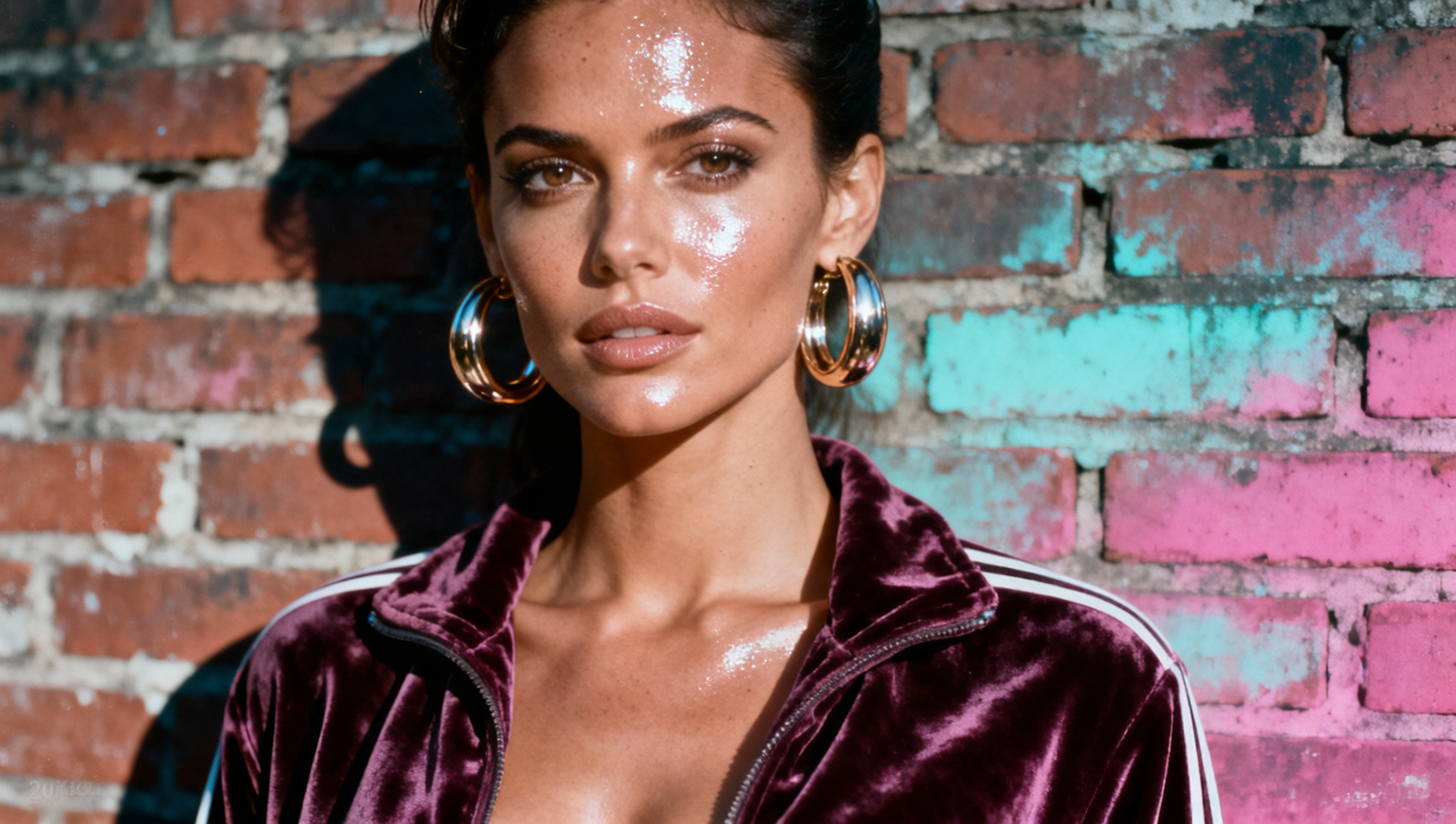
Core Visual Keywords for the Early 2000s Aesthetic
Recreating the look of photography from around the year 2000 requires more than just adding a filter. It demands an understanding of the hardware limitations and chemical processes of that era. This guide is for creators building nostalgia-driven campaigns, music album covers, or personal archives who need authentic degradation rather than clean digital simulations.
The visual language of the early 2000s sits at a unique intersection. It is the tail end of disposable film cameras and the dawn of consumer digital point-and-shoots. To replicate this in Midjourney, you must prompt for specific artifacts. Key terms include "CCD sensor noise," "hard flash photography," "low dynamic range," and "date stamp." Unlike modern AI-generated images that strive for perfect lighting and 8K resolution, this style thrives on imperfection.
When constructing your core keywords, distinguish between film and early digital. Film from this era often exhibits light leaks, grain, and muted color palettes typical of Fujifilm or Kodak disposable cameras. Early digital images, conversely, suffer from compression artifacts, purple fringing, and a distinct lack of shadow detail. Your prompts should specify the medium. Use phrases like "shot on 2000s digicam" or "disposable camera film scan" to steer the model away from modern DSLR aesthetics.
Prompt Examples for Vintage Generation
To get consistent results, you need a structured prompt formula. Start with the subject, follow with the camera style, and end with the technical artifacts. Below are three variations you can test immediately in MidassAI Studio.
For a party scene relying on hard flash:
/imagine prompt: group of friends at a house party year 2002, hard direct flash, overexposed faces, dark background, disposable camera aesthetic, grainy texture, timestamp in corner --style raw --v 7 --ar 4:3
For a street portrait with digital noise:
/imagine prompt: candid street portrait, early 2000s digital camera, low resolution, CCD noise, slightly out of focus, muted colors, urban background --style raw --v 7 --ar 3:4
For a faded film look:
/imagine prompt: family picnic photo year 2000, developed film scan, light leaks, color fade, soft focus, Kodak Gold 200 aesthetic --style raw --v 7 --ar 4:3
Notice the use of --style raw. This parameter is critical. Default Midjourney settings often apply a beauty filter that smooths skin and enhances lighting too much. --style raw tells the model to adhere more strictly to your prompt, allowing the "ugly" details like noise and overexposure to render correctly.
Parameter Configuration and Control
Beyond the text prompt, parameters dictate the technical output. For 2000s photos, aspect ratio is key. Modern phones shoot 16:9 or 9:16, but cameras from this era predominantly shot 4:3 or 3:2. Using --ar 4:3 immediately signals a non-modern frame.
Versioning matters. We recommend --v 7 for this specific task. Earlier versions might struggle with the nuance of digital noise versus film grain, while later versions might over-correct the imperfections. Version 7 strikes a balance between coherence and texture.
Avoid using high stylize values (--s). A high stylize value pushes the image toward artistic interpretation, which often cleans up the noise you are trying to preserve. Keep the stylize value default or low. If you need to control the color grading further, consider using --no parameters to exclude modern elements. For example, --no hdr, sharp, 4k, cinematic lighting ensures the model does not accidentally upgrade the quality beyond the intended vintage look.
Advanced Techniques with References
Once you have a base style, you can lock it in using reference images. The --sref (style reference) parameter is powerful for maintaining consistency across a series of images. Find a real photo from 2002 that has the exact grain and color cast you want. Upload it to Midjourney and use the URL in your command.
/imagine prompt: [your subject] --sref [url-of-vintage-photo] --sw 100
The --sw (style weight) parameter controls how strongly the reference influences the output. For vintage textures, a high weight (around 100) is often necessary to transfer the specific noise pattern. Additionally, --cref (character reference) can help if you are generating a series of photos featuring the same person in different 2000s settings. This ensures facial consistency while the environment and image quality shift to match the era.
Be cautious with upscaling. When you upscale a vintage-style image, Midjourney might try to "fix" the blur and noise. Use the "Subtle" or "Original" upscale options if available, or avoid heavy detail enhancement that contradicts the low-fidelity aesthetic.
Quick Takeaways
Extending the Aesthetic to AI Video
Static images are only the first step. The 2000s aesthetic translates powerfully to motion. Once you have generated your base images in Midjourney, you can animate them using AI video tools. The goal is to maintain the low-fidelity look during motion.
When animating, avoid smooth, high-frame-rate interpolation which looks too modern. Look for tools that allow you to add frame jitter or reduce the frame rate to 15fps or 20fps. This mimics the choppy video quality of early digital camcorders. Prompting for "home video footage" in video generation models can complement the stills created in Midjourney.
Soundtracking with AI Music
Visuals are only half the sensory experience. To complete the 2000s vibe, pair your images with era-appropriate audio. AI music generators can create lo-fi beats, early pop synth sounds, or ambient tracks that match the grainy visual texture.
When generating music, prompt for "compressed audio quality" or "mp3 artifacts" if you want authenticity. Modern AI music production is often too clean. Adding a layer of digital compression noise to the track helps it sit better with the low-resolution visuals generated in Midjourney.
Integrating AI Tools in Workflow
Managing these assets requires a streamlined workflow. Generating the image is just one part of the pipeline. You need to organize your prompts, store your reference images, and manage the versions.
This is where platforms like MidassAI Studio become essential. Instead of juggling multiple discord servers or command-line interfaces, you can manage your Midjourney generations alongside your video and music assets in one dashboard. This centralization ensures that the style consistency you achieved in the prompt phase is maintained through to the final export.
Final Thoughts on Authenticity
The key to mastering the 2000s photo style is resisting the urge to make the image look "good" by modern standards. Embrace the blur, the noise, and the color shifts. These imperfections are the emotional hooks that trigger nostalgia.
Test different combinations of film stock names and digital camera models in your prompts. Canon PowerShot, Nikon Coolpix, or Fuji QuickSnap each produce different artifacts. Iterate quickly using the parameters outlined above.
Ready to start generating authentic vintage assets without the technical overhead?