
midjourney prompts
How to Create Dark Academia Style in Midjourney | Complete Prompt Guide
Midjourney AI Team · July 23, 2026 · 7 min read
Keywords: dark academia midjourney, gothic library prompt, midjourney lighting
Published: July 23, 2026 Author: Midjourney AI Team
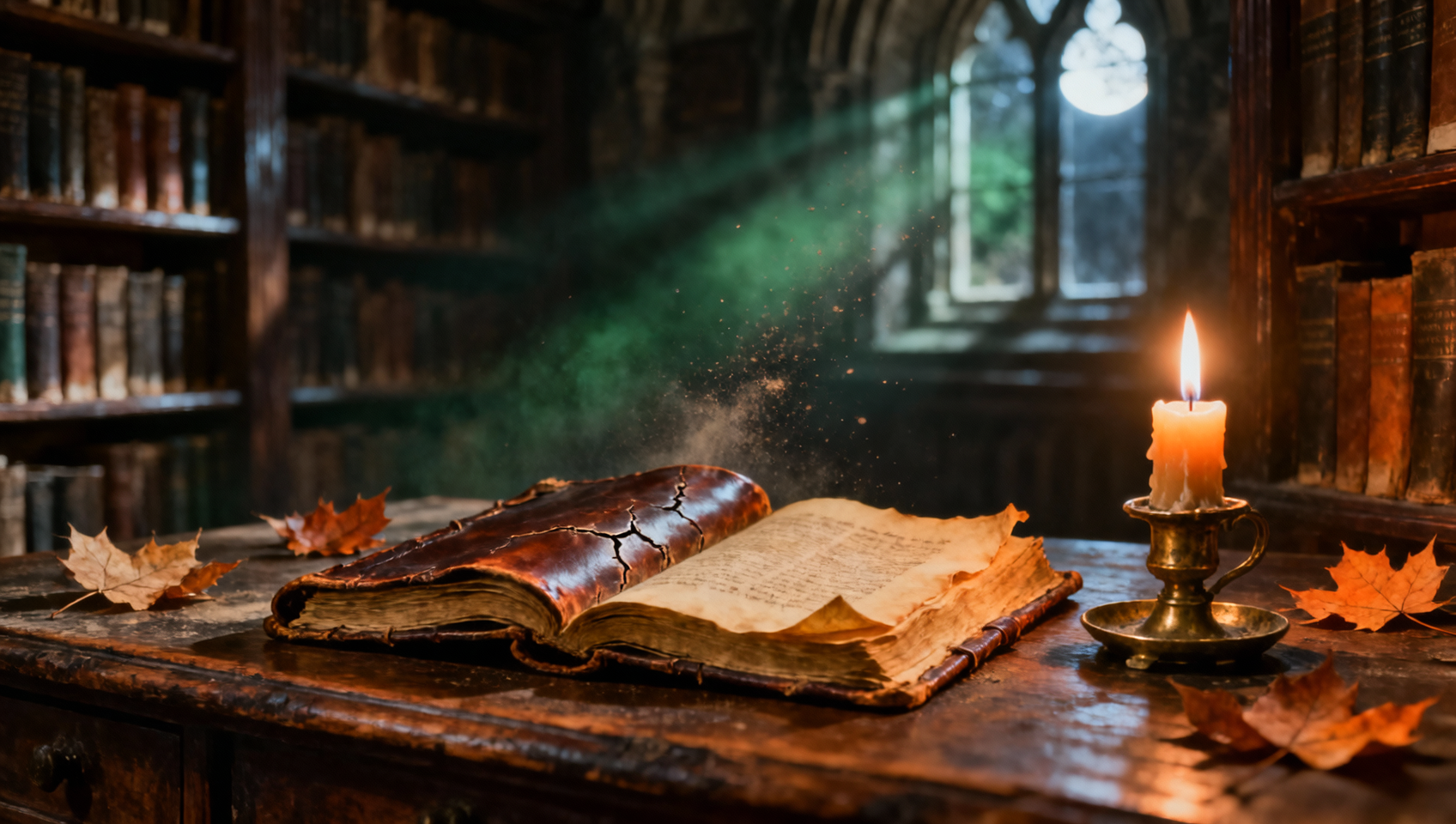
Mastering the Mood: A Practical Guide to Dark Academia in Midjourney
Dark Academia is more than just a visual trend; it is an atmosphere built on nostalgia, intellectualism, and a specific kind of moody romanticism. When translating this aesthetic into AI-generated imagery, the challenge lies not in finding vintage objects, but in capturing the lighting and texture that make the scene feel lived-in and tangible. Midjourney excels at this when guided with precise parameters, particularly in version 7 where texture rendering and light physics have seen significant improvements.
This guide breaks down the essential components of crafting high-fidelity Dark Academia images. We will move beyond generic keywords like "old book" and focus on the interplay of candlelight, leather textures, and architectural depth. Whether you are creating cover art for a novel, concept art for a game, or social media content, understanding these levers will elevate your output from generic to cinematic.
Who This Is For
This workflow is designed for creators who need consistent, high-quality atmospheric imagery without spending hours tweaking random seeds. It is ideal for:
- Book Cover Designers needing moody, thematic backgrounds.
- Concept Artists building environments for mystery or fantasy projects.
- Content Creators looking to establish a cohesive, intellectual brand aesthetic.
- Midjourney Users wanting to move beyond basic prompts into controlled stylistic generation.
The Core Aesthetic: Why Midjourney Works Here
Dark Academia relies heavily on chiaroscuro—the strong contrast between light and dark. Midjourney's diffusion model handles high-contrast lighting scenarios exceptionally well, especially when using --style raw. This parameter reduces the model's tendency to over-beautify images, allowing for grittier, more realistic shadows that are crucial for this style.
The aesthetic thrives on specific materiality: worn leather, aged paper, tweed fabrics, and dark wood. In earlier versions of AI art, these textures often looked plastic or overly smooth. With the current iteration available in MidassAI Studio, the micro-details in fabric weaves and paper grain are distinct. The goal is to prompt for the condition of the object, not just the object itself.
Lighting and Color Palette
Lighting is the primary driver of mood in Dark Academia. You want to avoid flat, uniform illumination. Instead, aim for localized light sources that create deep pools of shadow.
Key Lighting Keywords:
volumetric lighting: Creates visible beams of light through dust or smoke.candlelight: Provides a warm, flickering orange hue that contrasts with cool shadows.rembrandt lighting: Classic portrait lighting that leaves part of the subject in shadow.low key lighting: Ensures the majority of the image is dark tones.
Color Grading:
To achieve the signature look, your color prompts should lean into desaturated earth tones. Use terms like sepia tone, faded olive, burgundy, and charcoal. Avoid neon or highly saturated primary colors unless they are being used as a specific contrast element, like a single red rose on a dark desk. When using Midjourney, you can reinforce this by adding --no bright colors to your negative prompt parameters if the model drifts too vibrant.
Architecture and Props
The setting provides the context for the mood. A Dark Academia scene is rarely empty; it is cluttered with the tools of study and contemplation. However, the composition must remain balanced to avoid visual noise.
Essential Architectural Elements:
gothic arches: Adds verticality and historical weight.wood paneling: Specificallydark walnutormahoganyfor richness.stained glass windows: Useful for casting colored light patterns onto floors.stone corridors: Adds a cold, institutional feel that contrasts with warm light sources.
Prop Details:
Specificity matters here. Instead of "books," prompt for leather-bound folios or stacks of yellowed manuscripts. Instead of "coffee," use steaming black coffee in ceramic mug. Other high-value props include quill pens, brass compasses, globes, and tweed jackets draped over chairs. These items signal intelligence and history without needing explicit text in the image.
Composition and Camera Language
To make the image feel like a photograph rather than a digital painting, you need to specify the lens and framing. Dark Academia often benefits from a sense of scale or intimate closeness.
Camera Parameters:
--ar 16:9: Cinematic widescreen is ideal for library interiors.--ar 4:5: Better for book covers or portrait-oriented social posts.35mm lens: Provides a natural, documentary feel.macro lens: Use this for close-ups of textures like paper grain or ink.depth of field: Blurs the background to focus attention on a specific object, like an open book.
Using --style raw is highly recommended here. It tells Midjourney to adhere more strictly to your prompt's artistic direction rather than applying its own default aesthetic polish. For version control, always specify --v 7 to ensure you are using the latest texture and lighting models available in the studio.
Quick Takeaways
4 Copy-Paste Prompt Cases
Below are four refined prompts designed to work immediately in MidassAI Studio. These include parameters for aspect ratio and stylization to ensure consistency.
Case 1: The Gothic Library Main Hall This prompt focuses on scale and atmospheric lighting. It is suitable for backgrounds or establishing shots.
/imagine prompt: grand gothic library main hall, towering shelves filled with ancient leather books, volumetric candlelight streaming through high stained glass windows, dust motes dancing in light beams, dark walnut wood paneling, stone floor, cinematic lighting, moody atmosphere, photorealistic, architectural photography --ar 16:9 --style raw --v 7Case 2: Window Side Reading Nook A quieter, more intimate scene focusing on stillness and natural light mixing with indoor warmth.
/imagine prompt: cozy reading nook by a large arched window, rain streaks on glass, autumn leaves visible outside, open vintage book on wooden table, ceramic cup of tea, soft natural light mixing with warm lamp light, tweed blanket draped over chair, shallow depth of field, 35mm photography --ar 4:5 --style raw --v 7Case 3: Autumn Campus Long Shot An exterior shot that captures the academic setting without relying on interior clutter.
/imagine prompt: historic university campus in autumn, fallen orange and brown leaves on cobblestone path, gothic stone buildings with ivy, overcast sky, moody grey atmosphere, students walking in distance wearing trench coats, cinematic composition, muted colors, wide angle --ar 16:9 --v 7Case 4: Desktop Still Life A macro-focused prompt for texture details, ideal for overlays or texture packs.
/imagine prompt: closeup of a wooden study desk, antique brass compass, open journal with handwritten script, ink bottle, quill pen, texture of worn leather, dramatic side lighting, heavy shadows, macro photography, high detail, 8k resolution --ar 3:4 --style raw --v 7Refining Your Workflow
Generating the image is only the first step. In MidassAI Studio, you can iterate on these results using the Vary (Region) tool to fix specific elements, such as a distorted book spine or a hand that looks unnatural. For consistent character work across multiple Dark Academia scenes, utilize the --cref (Character Reference) parameter once you have generated a base student or scholar character you wish to reuse.
If you find the colors are too saturated despite your prompts, add --s 50 to lower the stylization value, which often reins in the color vibrancy. Conversely, if the image feels too flat, increasing the contrast in your post-processing or adding high contrast to the prompt can help recover the mood.
Final Thoughts
Dark Academia is a testament to the power of atmosphere over action. By controlling the light, texture, and composition through specific Midjourney parameters, you can create images that feel like stills from a film rather than generic digital art. The key is specificity: describe the wear on the leather, the temperature of the light, and the weight of the architecture.
Ready to build your own atmospheric worlds? Test these prompts and refine your style using the latest models.
Try Midjourney in MidassAI Studio to access the full suite of generation tools and start creating your Dark Academia portfolio today.